
🌪️ After the Storm: A Southeast Michigan Homeowner’s Guide to Assessing and Repairing Storm Damage
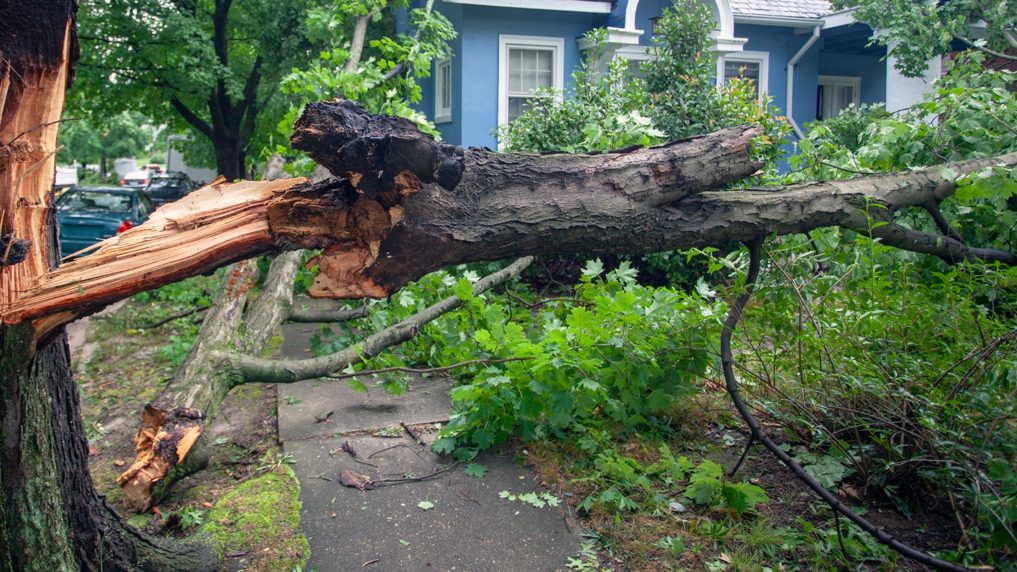
March 2026 was a rough month for Southeast Michigan homeowners. In the span of just two weeks, Metro Detroit dealt with tornadoes, severe thunderstorms, and straight-line winds that gusted over 70 mph – knocking out power for hundreds of thousands of residents across Wayne, Oakland, and Macomb counties. Trees came down on houses, shingles scattered across neighborhoods, and siding panels ended up in places they definitely didn’t belong.
If that sequence of storms taught us anything, it’s that severe weather in Michigan isn’t a question of if – it’s a question of when. And when it happens, knowing how to assess your home for damage can mean the difference between a manageable repair and a costly, drawn-out nightmare.
This guide walks you through everything you need to know after a storm passes through your neighborhood. We’ll cover how to inspect your roof, siding, gutters, and deck for damage. We’ll break down the insurance claims process. And we’ll help you avoid the storm chaser contractors who flood into damaged communities looking for easy targets. Whether you’re dealing with damage right now or bookmarking this for the next time severe weather rolls through, you’ll have a clear plan for protecting your home and your wallet.

🛡️ What Should You Do Immediately After a Storm?
Your first priority after severe weather is safety – not damage assessment. Wait until the storm has fully passed before going outside. Downed power lines, unstable trees, and debris-covered walkways create real hazards, and the damage to your home will still be there in an hour.
Once conditions are safe, here’s your immediate action plan:
- Watch for downed power lines and report them to DTE Energy or your local utility immediately. Stay at least 25 feet away from any downed line – even if it looks inactive, it can still carry a lethal charge.
- Check for gas leaks. If you smell natural gas or hear hissing near a gas line, leave the area and call your utility provider.
- Do not climb on your roof. The National Roofing Contractors Association advises homeowners to avoid roof access after storms, as structural damage may not be visible from the surface. A compromised roof deck can collapse under weight.
- Start documenting everything immediately. Use your phone to take photos and videos of all visible damage from ground level. Capture wide shots of each side of your home plus close-ups of specific damage. Include timestamps – most phone cameras do this automatically.
- Make temporary repairs only if you can do so safely. Covering a broken window with plastic sheeting or placing a bucket under a drip is fine. Climbing a ladder to tarp a damaged roof section is not – call a professional for that.
The goal at this stage is simple: stay safe, document what you see, and resist the urge to start fixing things before you’ve properly assessed the full scope of the damage.
🏠 How Do You Assess Storm Damage to Your Roof?
Your roof absorbs more direct impact during severe weather than any other part of your home’s exterior. It’s also the hardest area to inspect safely on your own. The good news is that you can identify many warning signs from the ground or from inside your home without ever setting foot on a ladder.
What Does Wind Damage Look Like on a Roof?
Wind damage is the most common type of roof damage in Southeast Michigan. Winds don’t even need to reach hurricane force to cause problems – gusts of 45-60 mph (common during Michigan thunderstorms) can lift, curl, and tear asphalt shingles, especially on older roofs where the adhesive seal has weakened over time.
From the ground, look for these signs:
- Missing shingles or bare patches where the underlayment or roof deck is exposed
- Shingles that appear lifted, bent, or curled at the edges
- Shingle pieces or debris scattered in your yard or gutters
- Damaged or missing flashing around chimneys, vents, and roof transitions
- Ridge cap shingles (the ones along the peak of your roof) that appear displaced or missing
Michigan’s geography creates some unique wind challenges. Proximity to the Great Lakes can intensify straight-line winds, and the flat terrain in parts of Macomb and St. Clair counties means there’s little to break the wind before it reaches your roof. Homes with higher profiles or those situated on exposed lots tend to take the worst hits.
What Does Hail Damage Look Like on Shingles?
Hail damage can be tricky to spot because it doesn’t always leave obvious marks visible from ground level. Hailstones dent shingles, bruise the underlying material, and knock loose the protective granules that shield your roof from UV damage and water penetration.
Here’s how to check for hail damage without getting on the roof:
- Check your gutters and downspouts for excessive granule buildup. Some granule loss is normal over time, but a sudden accumulation after a storm suggests hail impact.
- Look at soft metal surfaces around your property. Dents on aluminum siding, gutter covers, mailboxes, or outdoor AC units often indicate hail large enough to damage shingles too.
- Inspect any flat painted surfaces like deck railings, window sills, and garage doors for small round dent marks.
Even if you don’t see obvious damage, a professional inspection after a known hailstorm is worth the investment. Hail damage can shorten your roof’s lifespan by years without showing dramatic visible symptoms right away.
What About Hidden Roof Damage You Can’t See from Outside?
Some of the most expensive roof damage hides in places you’d never think to look unless you know what to check. After a storm, head inside and inspect these areas:
- Ceilings directly below the roofline – look for water stains, discoloration, or bubbling paint
- Your attic, if accessible – use a flashlight to check for daylight coming through the roof boards, wet insulation, damp spots on rafters, or any musty odors that suggest moisture intrusion
- Around windows on upper floors – water streaks or dampness near the top of window frames can signal flashing damage on the roof above
Hidden water damage is often more costly than visible damage because it has time to spread before anyone notices. Moisture that seeps through a compromised roof can saturate insulation (reducing its effectiveness), promote mold growth, and weaken structural framing. What starts as a small shingle issue can become a $10,000+ repair if water has been quietly working its way into your home for weeks.
🔍 How Do You Check Your Siding for Storm Damage?
Your siding is your home’s second line of defense after the roof, and it takes significant punishment during storms. High winds turn everyday objects – branches, patio furniture, even garbage cans – into projectiles that can crack, dent, or puncture siding panels. Even without direct debris impact, sustained high winds can loosen panels from their fasteners, creating gaps where water infiltrates.
Walk the perimeter of your home and look for:
- Cracks or holes in siding panels, especially on the sides of your home facing the prevailing wind direction
- Panels that appear bowed, warped, or pulled away from the wall
- Pieces of siding on the ground or lodged in landscaping
- Gaps where panels meet trim, corners, or window/door frames
- Dents or impact marks from hail or debris strikes
The type of siding on your home affects both the damage it sustains and the repair approach. Vinyl siding is flexible and handles moderate impacts well, but it becomes brittle in cold temperatures and can crack more easily during winter storms. Fiber cement products like James Hardie resist impact and moisture better but can chip along edges from significant hail. Wood and cedar shake siding can split or splinter from debris strikes and is more susceptible to water damage once the protective finish is compromised.
Any breach in your siding – even a hairline crack – creates a path for moisture to reach the sheathing and framing beneath. In Michigan’s freeze-thaw climate, that moisture expands and contracts with temperature changes, widening the damage over time. What looks like a minor cosmetic issue in March can become a significant structural concern by the following winter.
🔧 What Storm Damage Should You Look for on Gutters and Downspouts?
Gutters might not be the first thing you think to check after a storm, but damaged gutters create a chain reaction of problems that extends well beyond the roofline. When gutters fail, water has nowhere to go except where you don’t want it – against your foundation, into your basement, and behind your siding.
After a storm, inspect your gutter system for:
- Sections that have pulled away from the fascia board or are hanging at odd angles
- Visible dents or crushing from falling branches or debris
- Clogs from leaves, shingle granules, and other storm debris
- Downspouts that have detached, bent, or been knocked out of alignment
- Standing water in gutter channels that should be draining freely
Here’s why gutter damage matters more than most homeowners realize: a single heavy rainstorm can send over 1,000 gallons of water cascading off an average-sized roof. Your gutter system is designed to capture all of that water and direct it safely away from your home’s foundation. When gutters are damaged, that water pools around your foundation, seeps into basement walls, erodes landscaping, and can even undermine concrete walkways and driveways over time.
Gutter damage also sets the stage for ice dams the following winter. If a storm knocked your gutters out of alignment or clogged them with debris, water won’t drain properly once temperatures drop. That trapped water freezes, backs up under your shingles, and causes interior leaks – turning a fall storm damage issue into a much bigger winter problem.
🪵 Can Storms Damage Your Deck or Other Outdoor Structures?
Decks, porches, pergolas, and other outdoor structures are fully exposed to the elements during severe weather, and they can sustain both obvious and subtle damage that affects their safety and longevity.
After a storm, check your deck and outdoor structures for:
- Railing posts that feel loose or wobbly when pushed – this can indicate that the connection to the deck frame has been compromised
- Deck boards that are cracked, split, or lifted from debris impact
- Standing water that isn’t draining properly, which may suggest the deck structure has shifted
- Ledger board connections (where the deck attaches to your house) that show signs of separation or water damage
- Support posts that appear tilted or foundations that have shifted
The distinction between surface damage and structural damage matters here. A cracked deck board is a relatively simple fix. A ledger board that has pulled away from the house framing, or support posts that have shifted in their footings, represents a safety concern that needs professional evaluation. Michigan’s freeze-thaw cycles can accelerate post-storm structural issues, so catching them early makes a real difference.
⚠️ When Is Storm Damage an Emergency vs. Something That Can Wait?
Not all storm damage requires the same urgency. Understanding what needs immediate attention versus what can wait a few days (or even a few weeks) helps you make better decisions under pressure – and avoids the panic that storm chaser contractors rely on.
Emergency – Act Now
These situations require immediate professional help:
- Active water leaking into your home through the roof or walls
- Structural damage visible from outside – sagging rooflines, leaning walls, separated framing
- A tree resting on your home or any structure
- Exposed interior spaces where roofing, siding, or windows have been completely removed by the storm
- Gas leaks or electrical hazards caused by storm damage
Urgent – Address Within Days
These issues need attention soon, but you have time to choose your contractor carefully:
- Missing shingles or flashing that expose underlayment (not yet leaking, but vulnerable)
- Cracked or punctured siding with no active water intrusion
- Gutters detached or badly damaged but weather is dry
- Deck structural issues that affect safety
Monitor – Schedule at Your Convenience
These can be addressed during your next scheduled maintenance or as part of a larger repair plan:
- Cosmetic dents in siding or gutters with no functional impact
- Minor granule loss on shingles
- Small debris damage to deck surfaces
- Landscaping damage adjacent to structures
This framework is important because it gives you breathing room. After a major storm, the pressure to “get it fixed NOW” is intense – and that’s exactly the environment where hasty decisions lead to expensive mistakes. Knowing that missing shingles over intact underlayment can wait a few days means you can take the time to get proper estimates, check contractor credentials, and file your insurance claim correctly.
📋 How Do You File an Insurance Claim for Storm Damage?
Filing an insurance claim for storm damage can feel overwhelming, especially if you’ve never been through the process before. Taking the right steps in the right order makes a significant difference in how smoothly your claim moves forward and how much of your repair costs get covered.
What Should You Document Before Calling Your Insurance Company?
Strong documentation is the foundation of a successful insurance claim. Before you call your insurer, gather the following:
- Date and approximate time the storm occurred
- Photos and video of all visible damage – exterior and interior, wide shots and close-ups, with timestamps
- A written description of the damage you’ve observed, including locations on your home
- Photos of any emergency repairs you’ve already made (tarping, boarding up windows, etc.)
- Receipts for any emergency supplies or temporary repairs
One critical detail many homeowners miss: keep damaged materials in place whenever safely possible. If shingles blew off, leave them where they landed in the yard. If siding cracked, don’t remove it before the adjuster visits. Insurance adjusters need to see and document the damage firsthand, and removing evidence – even with good intentions – can complicate your claim.
What Does the Insurance Claims Process Look Like?
While every insurance company operates a little differently, the general process follows these steps:
Step 1: Contact your insurance company promptly. Most policies require you to report damage within a specific timeframe – often 30 to 60 days, though some are shorter. Don’t wait. Call as soon as you’ve completed your initial documentation.
Step 2: File your claim. Your insurer will assign a claim number and explain their process. Ask about your deductible, coverage limits, and any specific documentation they require. Write down the name of everyone you speak with and keep notes on what was discussed.
Step 3: The insurance adjuster visits your property. The adjuster will inspect the damage and prepare their own assessment. This is where having thorough documentation helps – you can compare their findings against yours and make sure nothing gets overlooked.
Step 4: Review the estimate and authorize repairs. Your insurance company will provide a repair estimate based on the adjuster’s findings. Review it carefully. If the estimate seems low or doesn’t account for all the damage you documented, you have the right to request a re-inspection or provide supplemental documentation from your contractor.
Should Your Contractor Be Present for the Insurance Adjuster’s Visit?
Having an experienced contractor present during the adjuster’s inspection is one of the smartest moves you can make. Adjusters are generally thorough, but they’re also working through a long list of claims after a major storm event. A knowledgeable contractor can point out damage the adjuster might miss, explain why certain repairs are necessary, and provide professional documentation that supports a fair settlement.
Contractors who regularly handle insurance work understand the language adjusters use, the estimating software they rely on (like Xactimate), and how to document damage in a way that aligns with what insurance companies need to see. This doesn’t mean the contractor is inflating your claim – it means they’re making sure legitimate damage gets properly accounted for.
🚫 How Do You Avoid Storm Chaser Contractors After Severe Weather?
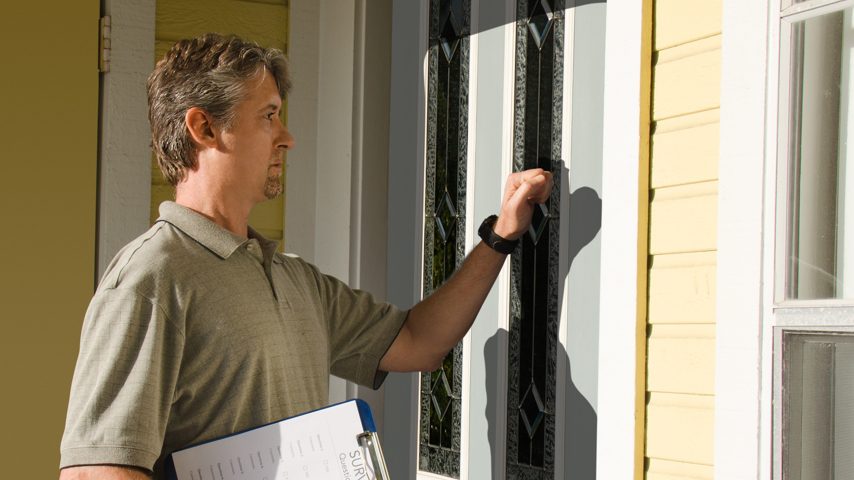
Within hours of a major storm, something predictable happens in affected neighborhoods: unfamiliar trucks with out-of-state plates start rolling through, and strangers begin knocking on doors offering “free inspections” and urgent repair services. These are storm chaser contractors, and they represent one of the biggest risks homeowners face after severe weather.
What Are Storm Chaser Contractors?
Storm chasers are contractors – often from out of state – who follow severe weather events and target communities dealing with damage. They arrive quickly, promise fast repairs at attractive prices, and create urgency to get homeowners to sign contracts before they’ve had time to think clearly. Some do substandard work with cheap materials and disappear before problems surface. Others collect deposits and never return at all.
The Federal Trade Commission reports that home improvement fraud generates tens of thousands of complaints each year, with weather-related repairs consistently producing some of the highest consumer losses. The pattern repeats every storm season: contractors flood into damaged areas, collect payments, and move on before homeowners realize the work was never completed properly.
What Are the Warning Signs of a Storm Chaser Scam?
Knowing the red flags makes you much harder to take advantage of. Watch for contractors who:
- Show up uninvited at your door within hours or days of a storm, especially if they claim they were “just working in the neighborhood”
- Have out-of-state license plates, no local business address, or only a P.O. Box
- Pressure you to sign a contract immediately, claiming the deal is “only good today” or that your “insurance window is closing”
- Offer to waive your insurance deductible – this is often illegal and can constitute insurance fraud
- Request a large cash deposit or full payment before any work begins
- Cannot provide a Michigan residential builder license number, proof of insurance, or local references
- Discover extensive damage during a “free inspection” that you hadn’t noticed – some unethical contractors have been known to create or exaggerate damage to inflate insurance claims
Legitimate contractors don’t need to chase storms door-to-door. They stay busy because their reputation brings work to them. If someone shows up at your door unsolicited and creates a sense of urgency, that’s your cue to slow down – not speed up.
How Do You Find a Trustworthy Local Contractor Instead?
The best defense against storm chasers is having a plan for finding a trustworthy contractor before you’re under pressure. Here’s what to look for:
- A Michigan Residential Builder license – verify it through the Michigan Department of Licensing and Regulatory Affairs (LARA). Any contractor performing residential work valued at $600 or more is legally required to hold this license.
- Proper insurance, including both general liability and workers’ compensation coverage. Ask for certificates and verify them with the insurance carrier directly.
- An established local presence. A physical business address in your area, a history you can trace, and neighbors who can vouch for their work all signal a company that plans to be around long after the repair is finished.
- Workmanship warranties in writing. A contractor who stands behind their work offers warranties because they’re confident in the quality. Ask about the terms before signing anything.
- Transparent, detailed estimates. Vague quotes that lump everything into one number are a red flag. A professional estimate breaks down materials, labor, and any contingencies so you know exactly what you’re paying for.
- Willingness to work with your insurance company. Experienced local contractors understand insurance documentation and can coordinate with adjusters to ensure your claim is handled properly.
Look at what their customers consistently say. Reviews that mention honesty, clear communication, fair pricing, and clean job sites tell you more about a contractor’s real character than any sales pitch. When you see patterns like “the price didn’t change after the work was done” or “they kept us updated every step of the way” repeated across multiple reviews, you’re looking at a company that earns its reputation one project at a time.
✅ What Should You Look for When Hiring a Storm Damage Repair Contractor?
Whether you’re replacing a few shingles or dealing with major exterior damage across your roof, siding, and gutters, the contractor you choose determines the quality and longevity of your repairs. Storm damage work requires specific expertise – it’s not the same as a planned renovation where timelines are flexible and conditions are ideal.
The right storm damage contractor should check every one of these boxes:
- Licensed Michigan residential builder with verifiable credentials through LARA
- Fully insured with both liability and workers’ compensation coverage
- Local roots and reputation – a company headquartered in your community with a track record you can verify through reviews, references, and neighbors
- Experience with insurance claims – they should understand adjuster processes, documentation requirements, and how to advocate for fair settlements
- Workmanship warranties that put their commitment in writing
- Quality materials from established manufacturers – brands like CertainTeed and James Hardie that carry their own manufacturer warranties
- Transparent communication – you should know when they’re coming, what they’re doing, and what anything will cost before the work starts
- Comprehensive exterior capabilities – storm damage rarely affects just one system. A contractor who handles roofing, siding, gutters, and decks can assess your entire exterior as an integrated system, catching problems that a single-trade specialist might miss
Take the time to get multiple estimates from qualified local contractors. A fair comparison requires at least two to three detailed bids, and the lowest number isn’t always the best value. Look at what’s included, the materials specified, the warranty terms, and whether the estimate accounts for potential complications like hidden water damage or structural repairs.
🏡 How Can You Protect Your Home Before the Next Storm?
Michigan weather isn’t getting any calmer. Severe storms, high winds, hail, and extreme temperature swings are part of life in Southeast Michigan, and the best time to prepare for the next one is before it arrives.
A few proactive steps go a long way:
- Schedule annual exterior inspections. Having a professional evaluate your roof, siding, and gutters once a year – ideally in spring or early fall – catches small problems before the next storm turns them into big ones.
- Keep your gutters clear. Clogged gutters amplify storm damage by preventing proper drainage. Clean them at least twice a year, or consider gutter guards for lower maintenance.
- Trim trees near your home. Overhanging branches are the most common source of storm debris damage to roofs and siding. Keep branches at least 6-10 feet away from your roofline.
- Know your insurance policy. Review your homeowner’s coverage annually. Understand your deductible, your coverage limits for wind and hail damage, and the timeframe for filing claims. Make sure your coverage amount reflects current replacement costs – material prices have increased significantly in recent years.
- Establish a relationship with a local contractor before you need one. Having a trusted professional you can call after a storm eliminates the scramble (and vulnerability to scams) that comes with searching for help under pressure.
Storms are going to happen. That’s non-negotiable in Michigan. What you can control is how prepared you are when they do, and how quickly and smartly you respond afterward.
Your Home Deserves a Thorough Assessment
Storm damage assessment isn’t just about fixing what’s broken today. It’s about understanding the full picture – roof, siding, gutters, deck, structure – so that repairs address root causes instead of just symptoms. Rushing through this process, or handing it off to the first contractor who knocks on your door, puts your home and your finances at risk.
At Leach Construction, we’ve been part of Metro Detroit since 1965. We live and work in the same communities we serve across Wayne, Oakland, Macomb, St. Clair, and Washtenaw counties. When storms hit Southeast Michigan, they hit our neighborhoods too. That’s why we take storm damage assessments seriously – evaluating your entire exterior as a connected system and providing honest, detailed recommendations for what needs repair and what can wait.
If your home took a hit during recent severe weather, or if you want a professional evaluation of your exterior’s condition, contact Leach Construction for a consultation. We’ll give you the full picture so you can make informed decisions about protecting your home.