
A storm rolls through, and the next morning there’s a patch of bare decking where shingles used to be. Or a home inspector flags your roof during a sale, and suddenly you need a roofer this week. So you type “roofing company near me” into Google and get a wall of names, star ratings, and ads that all say roughly the same thing.
The short answer: a good roofing company near you holds a Michigan builder’s license you can look up yourself, carries insurance you’ve confirmed with the carrier, works from a real local address, and hands you an itemized written estimate before asking for money. This guide walks through how to check each of those in Metro Detroit, what a roof actually costs in 2026, and the warning signs that show up after every big storm.
What should you look for in a roofing company near you?
Five things separate a roofer you can trust from one you’ll regret. If a contractor can’t show you all five without hesitating, keep looking.
- ✓ A Michigan Residential Builder or Maintenance and Alteration Contractor license number, which you verify on the state’s lookup tool
- ✓ General liability and workers’ compensation certificates, confirmed by calling the insurance carrier directly
- ✓ A physical business address in Southeast Michigan, not just a cell number and a truck
- ✓ A written estimate that names the shingle product and separates materials, labor, tear-off, and disposal
- ✓ A workmanship warranty from the roofer that’s separate from the manufacturer’s product warranty
Distance matters less than people think. A roofer twenty minutes away who knows how ice dams form on a Macomb County ranch is worth more than one around the corner who can’t show you a license.
How do you check a Michigan roofing contractor’s license?
Ask for the license number, then look it up yourself on the state’s free search tool. It takes about two minutes, and a legitimate roofer will give you the number without being asked twice.
What license does a roofer need in Michigan?
Roofers in Michigan need either a Residential Builder license or a Maintenance and Alteration Contractor license, both issued by the state’s Department of Licensing and Regulatory Affairs (LARA). The Maintenance and Alteration license covers specific trades on existing homes, and LARA’s builder FAQ lists roofing among them. The only exemption is for projects under $600 in total labor and materials, which rules out any real roof job.
Getting licensed isn’t a formality. Applicants must complete 60 hours of approved prelicensure education, including at least six hours each on the Michigan Residential Code and MIOSHA construction safety, and then pass the state exam. Michigan also has no reciprocal agreements with other states. A crew licensed in Ohio or Texas that follows a storm into Metro Detroit isn’t licensed to roof here.
How do you look up a license on LARA?
- Go to the state’s find or verify a licensed professional page and choose Residential Builder under skilled trades.
- Search by the license number the roofer gave you, or by the business name.
- Check that the name on the license matches the name on the estimate and the truck.
- Confirm the status shows as active, not expired or lapsed.
If the roofer stalls, says the license is “under a different company,” or changes the subject, that’s your answer.
How much does a new roof cost in Metro Detroit in 2026?
Most Michigan homeowners pay between about $5,800 and $16,100 to replace an asphalt shingle roof, with an average near $11,000, or roughly $5.50 per square foot installed, according to HomeAdvisor’s Michigan cost data. Steep pitches, multiple layers to tear off, rotted decking, and premium shingles push the number up.
Expect 2026 quotes to run higher than a neighbor’s roof from a few years ago. The major shingle manufacturers, including CertainTeed, GAF, and Owens Corning, announced price increases this spring, with effective dates from March 23 through April 15, according to distributor price notices. Those increases typically show up in contractor quotes.
That’s also why the lowest bid deserves a second look. A quote thousands below the others is usually missing something: ice and water barrier, ventilation, decking replacement, or disposal that shows up later as a change order. For a deeper breakdown of what drives the price, see Leach’s honest breakdown of roofing costs.
Do you need a repair, an overlay, or a full replacement?
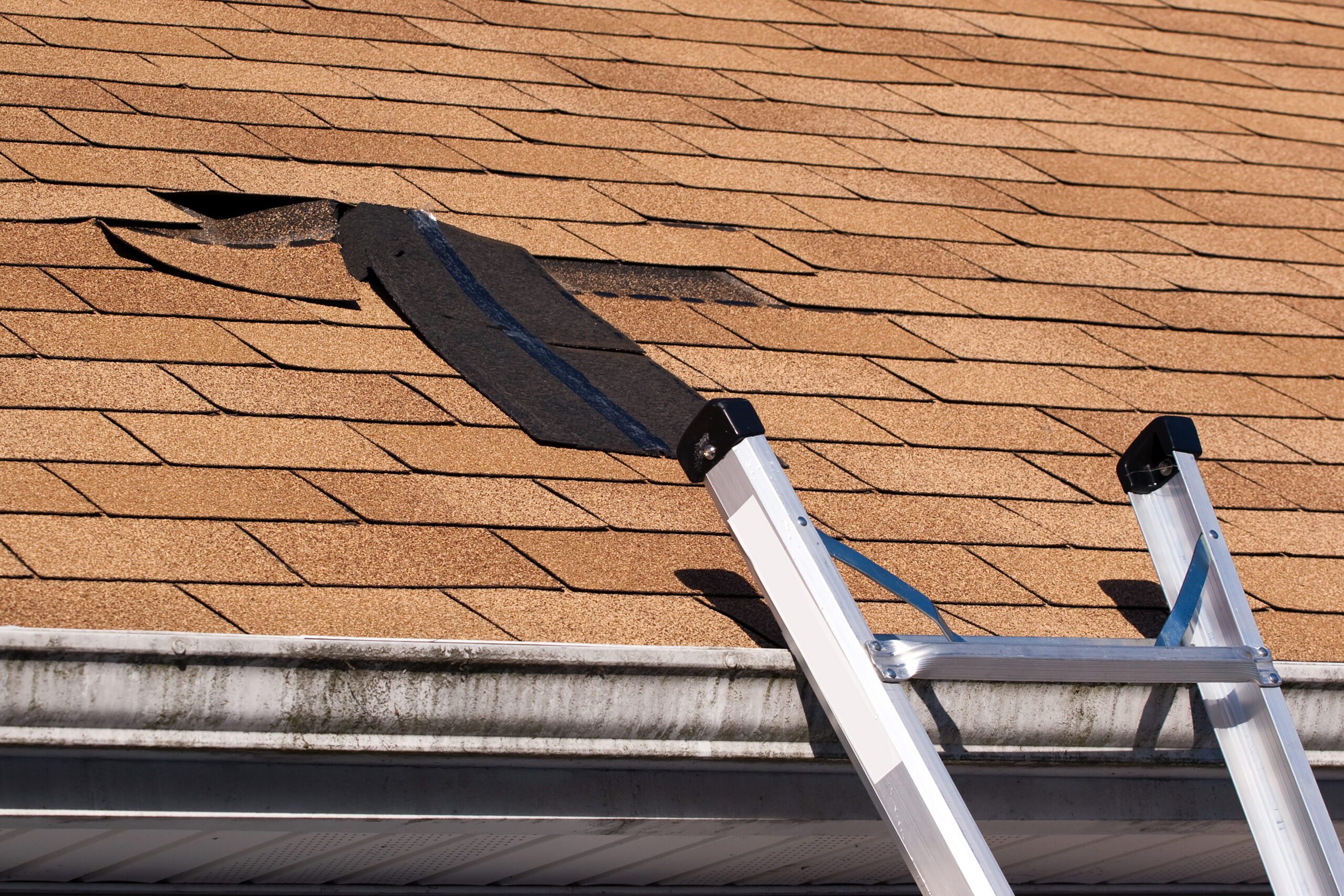
It depends on the roof’s age, how many layers are already on it, and whether the decking underneath is sound. A few missing shingles on a ten-year-old roof is a repair. Curling, granule loss across whole slopes, or a second layer already in place points to replacement.
What should a roof inspection cover?
A real roof inspection goes past a look from the driveway. A roofer worth hiring should check the shingles slope by slope, the flashing around chimneys and vents, the gutters for heavy granule loss, and the attic for water stains, daylight, or damp insulation. Ask what they found in the attic. If they never went up there, the recommendation is a guess.
Watch for a few signs that point past a simple repair: a sagging roofline, soft spots underfoot, cracked or curling shingles across whole sections, and leaks in more than one room.
How long do roofs last in Michigan?
Architectural asphalt shingles are rated for about 30 years and basic 3-tab shingles about 20, according to InterNACHI’s life expectancy chart, which also notes that severe weather shortens those numbers. Michigan’s freeze-thaw cycles work water into small gaps every winter, so plenty of roofs here need attention before they hit their rated lifespan.
When is an overlay allowed?
An overlay, where new shingles go over the existing ones, is allowed on a roof with a single layer and a sound base. Michigan’s residential code requires a full tear-off when there are already two or more layers, or when the existing roof is water-soaked or deteriorated, as summarized in Macomb Township’s re-roof requirements.
An overlay can save real money on the right roof. The trade-off is that nobody sees the decking, so soft spots and rot stay hidden until they show up as a leak. A roofer who recommends an overlay should explain exactly what they can and can’t see, and a roofer who refuses to ever discuss one may simply prefer the bigger job.
Which roofing materials hold up best in Michigan?
Architectural asphalt shingles are the standard choice for most Metro Detroit homes because they balance cost, looks, and cold-weather performance. Metal and cedar shake make sense in specific situations, and low-slope sections need a membrane like EPDM rubber.
- Architectural asphalt: CertainTeed’s Landmark Pro, a common upgrade over standard shingles, carries a lifetime limited transferable warranty with 10 years of SureStart protection, a 110 mph wind rating (upgradeable to 160 mph), a 30-year algae-resistance warranty, and a UL 2218 Class 3 impact rating.
- Metal: InterNACHI puts metal at 40 to 80 years, and it sheds snow well, which cuts ice dam risk along the eaves. It costs considerably more upfront. Leach doesn’t install standing seam metal, so if that’s your plan, you’ll want a specialist.
- Cedar shake: Rated around 25 years for wood, and a good fit where the architecture calls for it, like older homes in the Grosse Pointes. It needs more maintenance than asphalt.
- EPDM rubber: The usual choice for flat or low-slope sections like porch roofs and additions, rated about 15 to 25 years.
Can impact-resistant shingles lower your insurance premium?
Sometimes. State Farm offers a premium discount for Class 4 impact-resistant roofing in 26 states, Michigan included, but you’ll need to complete State Farm’s certification form to get it. Other insurers vary, so call your agent before you pay for the upgrade.
Check the actual rating on the shingle you’re quoted. Class 4 is the top rating under UL 2218. Some popular architectural shingles, including Landmark Pro, are rated Class 3, which won’t qualify for a Class 4 discount.
Does homeowners insurance cover storm damage to your roof?
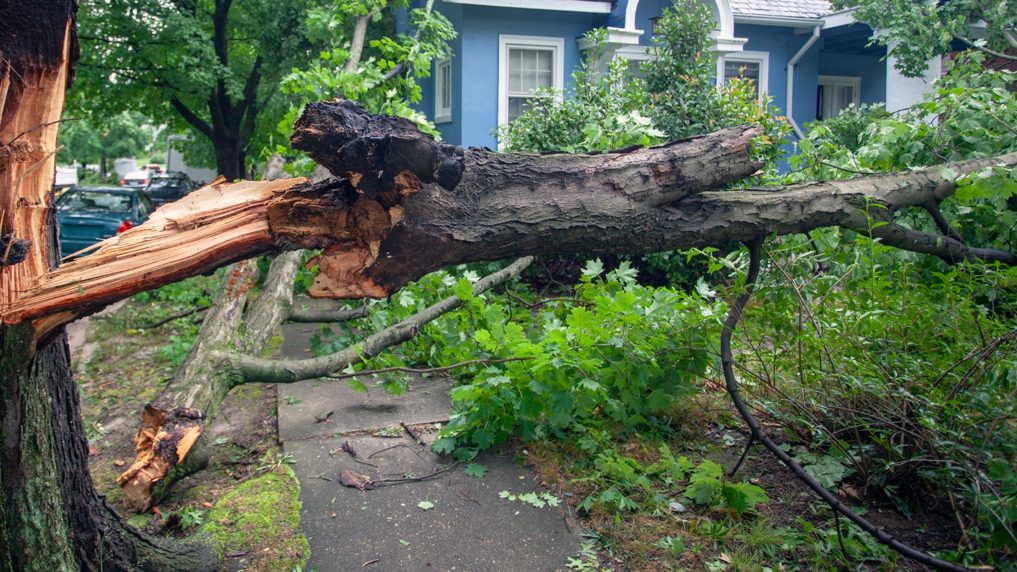
Most homeowners policies cover sudden damage from wind, hail, or a falling tree, but not wear from age or poor maintenance. How much you’re paid depends on whether your policy covers replacement cost or actual cash value.
The difference is bigger than most people expect. In an example from the National Association of Insurance Commissioners, two families each had $15,000 in roof damage and a $1,000 deductible. The family with replacement cost coverage received $14,000. The family with actual cash value coverage received $4,000, because $10,000 in depreciation came off first. Older roofs depreciate more.
After a storm, Michigan’s Department of Insurance and Financial Services recommends that you protect the property from further damage if it’s safe, photograph everything before repairs start, call your insurer’s claims line, and contact your insurance company before hiring a contractor. DIFS also warns that fraudsters pose as adjusters, and that a legitimate adjuster should never ask you to pay for their services. Leach’s Michigan storm damage guide walks through the claim process step by step.
What are the red flags of a storm-chaser roofer?
The biggest warning sign is a roofer who finds you instead of the other way around. Out-of-town crews follow hail and wind through Metro Detroit, knock on doors for a week, and are gone before the first problem shows up.
- Knocking on your door right after a storm, often with an out-of-state plate
- Pressure to sign today, or a price that’s “only good while we’re in the neighborhood”
- A promise that insurance will cover the whole roof before an adjuster has seen it
- A request for full payment, or a large cash deposit, before work starts
- No license number, no local address, and a verbal estimate only
If you already signed with someone who came to your door, Michigan law gives you an out. Under the Home Solicitation Sales Act, you have three business days to cancel a contract made during a sale at your home, by delivering or mailing a written cancellation to the seller.
What should a written roofing estimate include?
A complete estimate spells out exactly what you’re buying, so you can compare bids line by line instead of by the bottom number. It should include:
- The shingle manufacturer and product line, not just “architectural shingles”
- Whether it’s a full tear-off or an overlay, and how many layers come off
- Underlayment, ice and water barrier, drip edge, and ventilation
- How extra decking is priced if rot turns up once the old roof is off
- Who pulls the permit, and who handles the inspection
- Cleanup, disposal, the payment schedule, and the workmanship warranty in years
What should you ask before you sign?
- Can I call three recent customers in my county?
- What happens to the price if you find bad decking?
- Who pulls the permit, and what happens if the inspection fails?
- How long is your workmanship warranty, separate from the manufacturer’s?
- Would you recommend a repair instead, and why or why not?
A roofer who answers all five without flinching has answered them many times before.
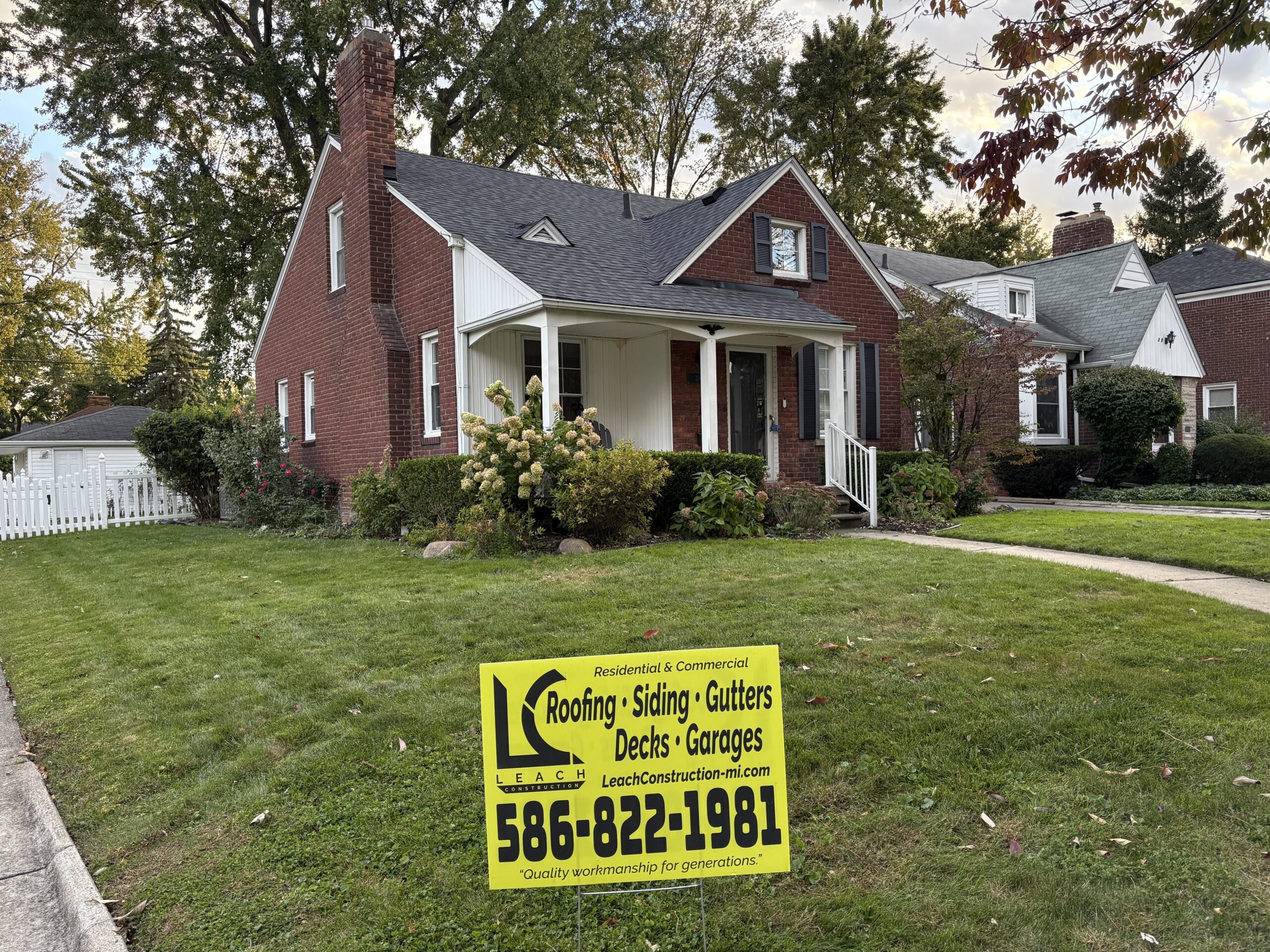
Why homeowners choose Leach Construction for roofing
Leach Construction is a family business based in St. Clair Shores, with roots in Metro Detroit construction going back to 1965. Leach Construction holds Michigan Residential Builder license #262000527, co-owner Dennis Leach is a licensed builder, and Leach pulls and closes the permits on its own jobs rather than leaving that to the homeowner. See the roofing services page or a recent St. Clair Shores Landmark Pro roof replacement for examples of the work.
- ✓ A 10-year workmanship warranty on roofing, separate from CertainTeed’s product warranty
- ✓ CertainTeed Landmark Pro shingles as the standard choice, not an upsell
- ✓ A straight recommendation for a repair or overlay when that’s the right call instead of a full replacement
- ✓ Extra decking and other likely add-ons priced up front, so the quote holds unless you add to the scope or disclosed structural work turns up
- ✓ Free roof estimates, with calls usually returned within 24 hours
- ✓ Financing available through Synchrony
Leach also turns down some work on purpose. It won’t pick up a job with another company’s open permit, and it won’t roof half of a shared condo building, because a partial roof on a shared structure can’t carry a real warranty.
Frequently asked questions
How long does a roof replacement take?
In Leach’s experience, a straightforward asphalt roof on a typical Metro Detroit home is often done in one day. Larger or steeper roofs, extra layers, and decking repairs can stretch it to several days, and weather can push the start date.
Do you need a permit to replace a roof in Michigan?
Plan on it. Many Southeast Michigan communities publish specific re-roof permit requirements, Macomb Township among them, and a licensed roofer should pull the permit for you. If a contractor asks you to pull it yourself, ask why.
Does Leach Construction serve my area?
Leach serves Wayne, Oakland, Macomb, St. Clair, and Washtenaw counties, from Detroit and the Grosse Pointes to Troy, Royal Oak, and Rochester Hills, and north as far as Port Huron.
Get a straight answer about your roof
Whether it turns out to be a few shingles or a full tear-off, a Leach Construction estimate costs nothing and comes with an honest recommendation. Call 586-822-1981 or request an estimate through the contact page at leachconstruction-mi.com. Leach is based at 22474 E 10 Mile Rd in St. Clair Shores.
Sources in this guide, including LARA, the Michigan Department of Insurance and Financial Services, the NAIC, CertainTeed, and InterNACHI, were checked in September 2026.