
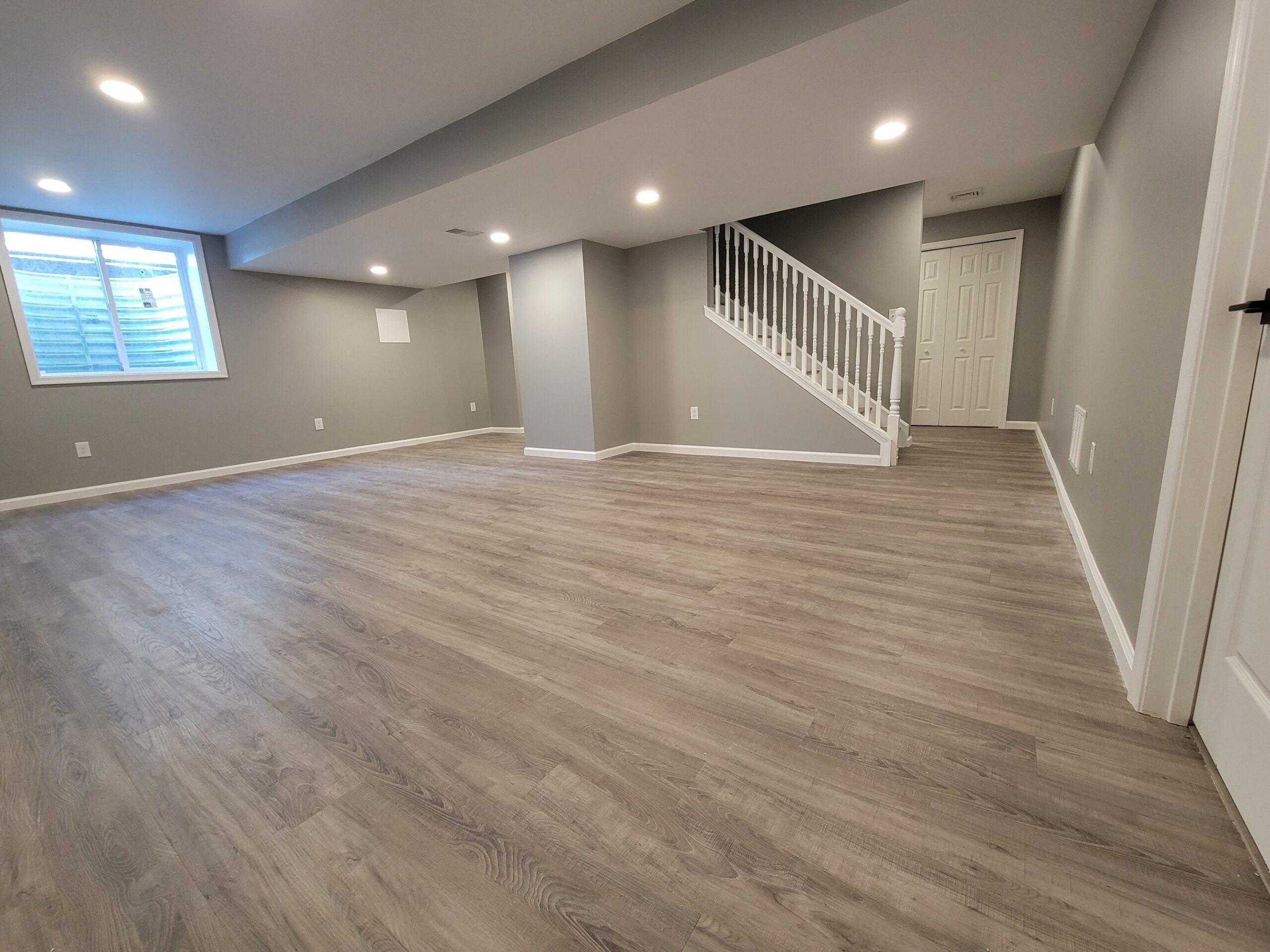
You know your basement needs work. Maybe you’ve noticed dampness after heavy rains, or you’re finally ready to turn that storage space into something your family can actually use. Before you call contractors for estimates, spend 30 minutes doing a thorough basement assessment.
This checklist helps you identify problems that need addressing before basement finishing begins – and gives you the information you need to have productive conversations with contractors about realistic solutions.
Foundation Walls Inspection
Walk the entire perimeter of your basement, examining foundation walls carefully. Look for:
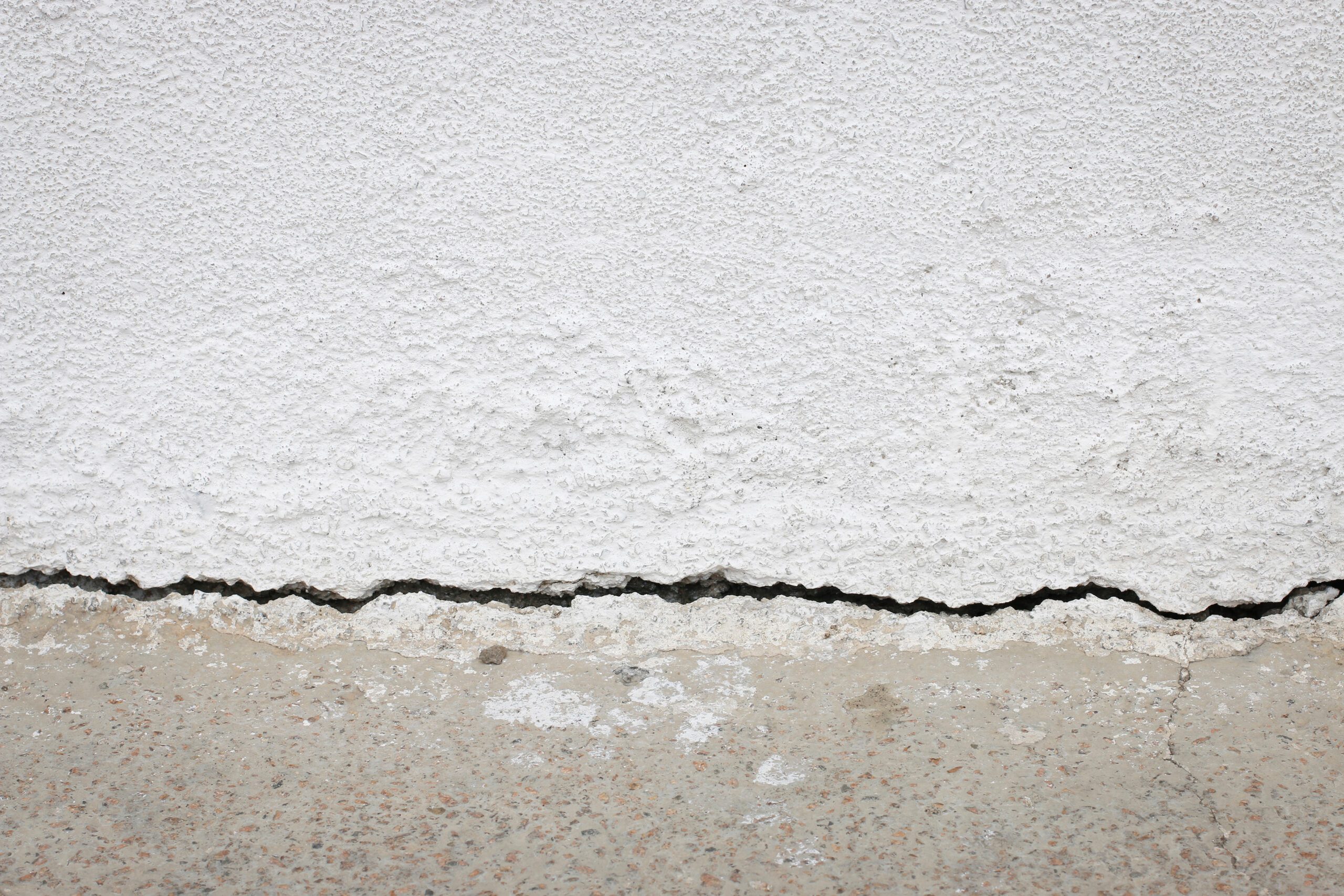
- Cracks: Note the location, direction (vertical, horizontal, or stair-step), and width of any cracks. Measure cracks wider than 1/4 inch. Horizontal cracks are the most concerning as they can indicate structural failure.
- Efflorescence: White, powdery deposits on concrete indicate water is moving through the foundation, leaving mineral deposits behind. This is a clear sign of moisture problems.
- Dampness: Touch foundation walls in several spots. Consistently damp walls, especially several days after rainfall, signal waterproofing issues.
- Bowing or bulging: Stand at basement corners and sight down the walls. Walls should be straight. Any inward bowing indicates serious pressure from outside soil and requires immediate professional assessment.
- Deteriorating mortar: In older block or stone foundations, check mortar joints. Crumbling mortar creates water penetration points.
Floor and Floor-Wall Joint Examination
The floor-wall joint (where basement floor meets foundation walls) is where many Michigan basements leak. Examine:
- Floor cracks: Note any cracks in the concrete floor, particularly their width and whether they appear to be widening over time.
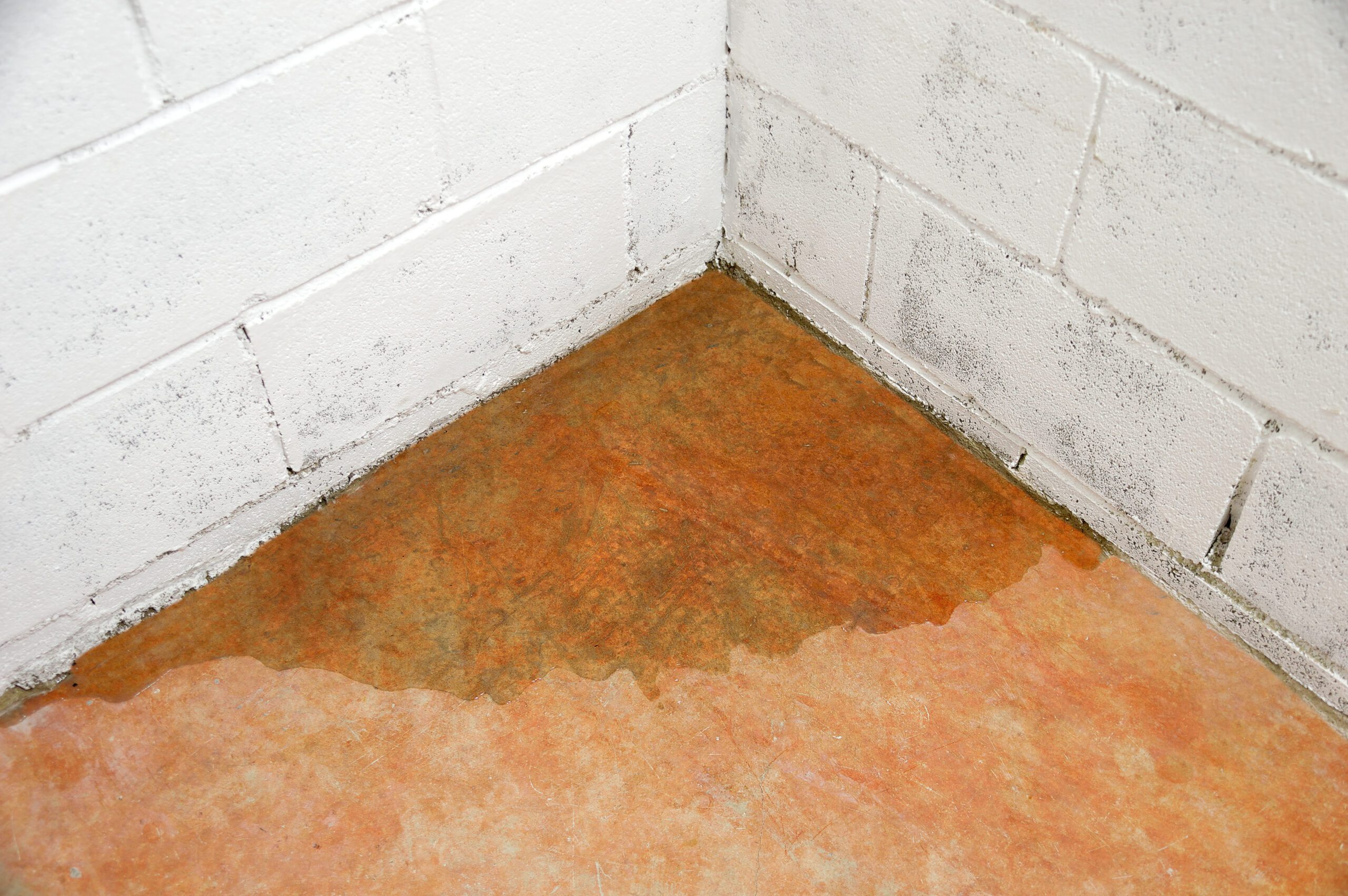
- Dampness at floor-wall joint: This seam is where hydrostatic pressure often forces water into basements. Look for moisture, water stains, or actual standing water.
- Floor slope: Does water naturally flow toward a drain or sump pump basin? Place a marble on the floor in several locations to see which direction it rolls.
Moisture and Humidity Assessment
Michigan basements battle both direct water intrusion and chronic high humidity. Check:
- Musty odors: That basement smell means moisture levels are too high for finishing work.
- Condensation: Look for water droplets on cold water pipes, foundation walls, or windows.
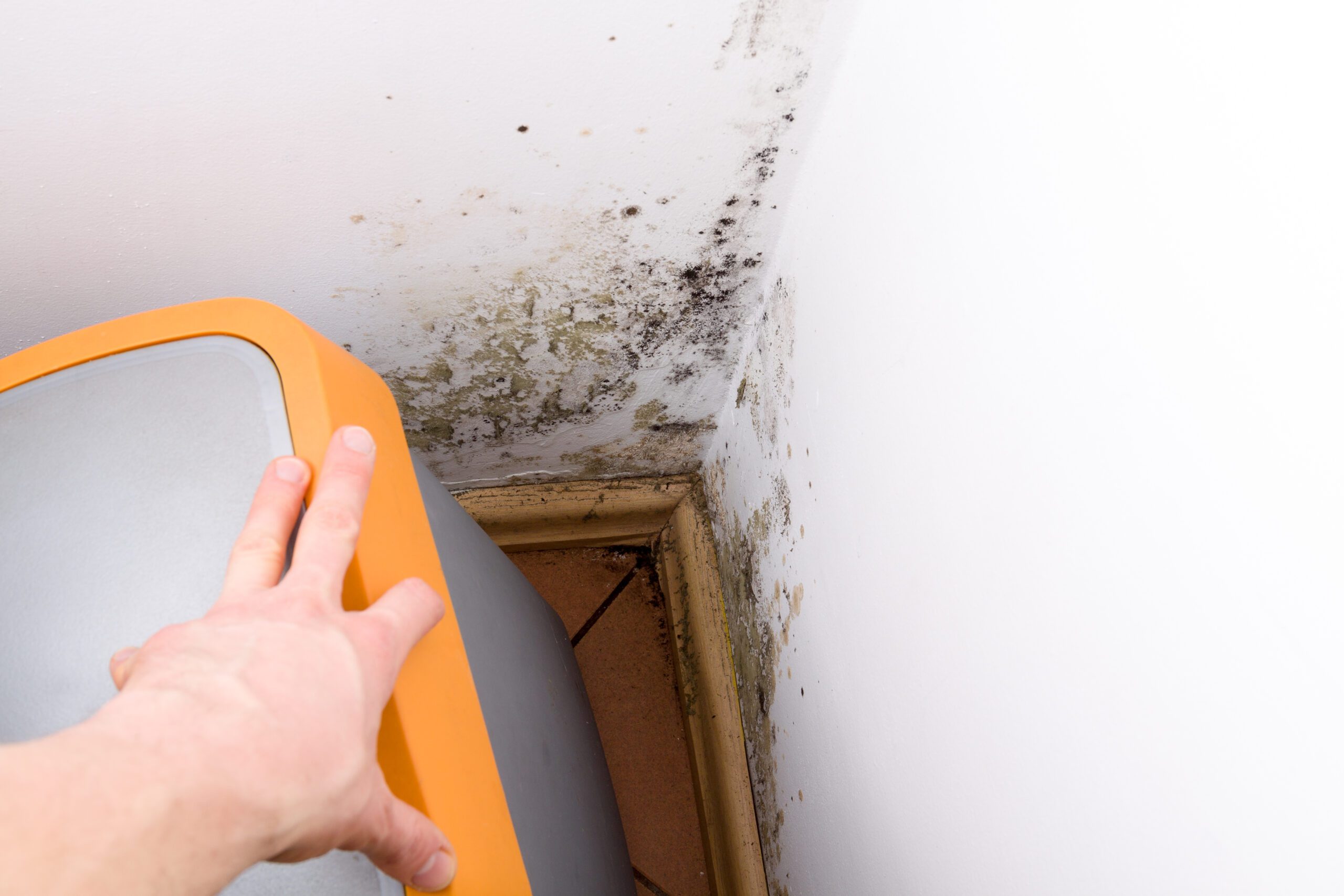
- Mold or mildew: Check corners, near floor drains, and on any stored items for mold growth.
- Humidity levels: Use an inexpensive hygrometer (available at hardware stores for $10-20) to measure relative humidity. Levels consistently above 60% will cause problems in finished spaces.
Drainage System Evaluation
If your basement has existing drainage components, assess their condition:
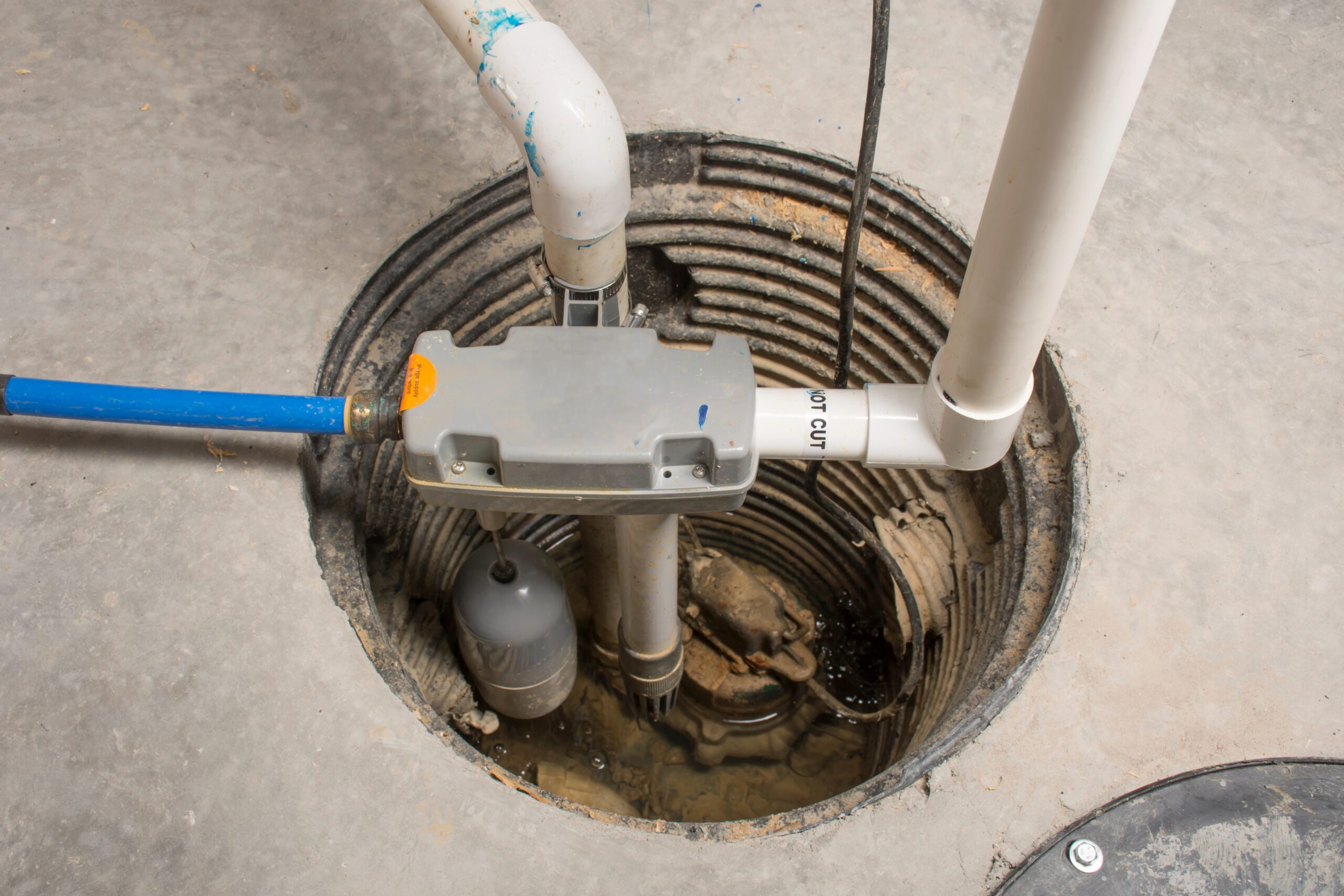
- Sump pump: Pour water into the basin to verify the pump activates and discharges properly. Check the discharge line outside – it should extend at least 10 feet from the foundation.
- Floor drains: Pour water into floor drains to ensure they’re not clogged. Note any standing water that won’t drain.
- Existing drainage channels: Some basements have perimeter drains or channel systems. Look for clogs, gaps, or damage.
Radon Testing Status
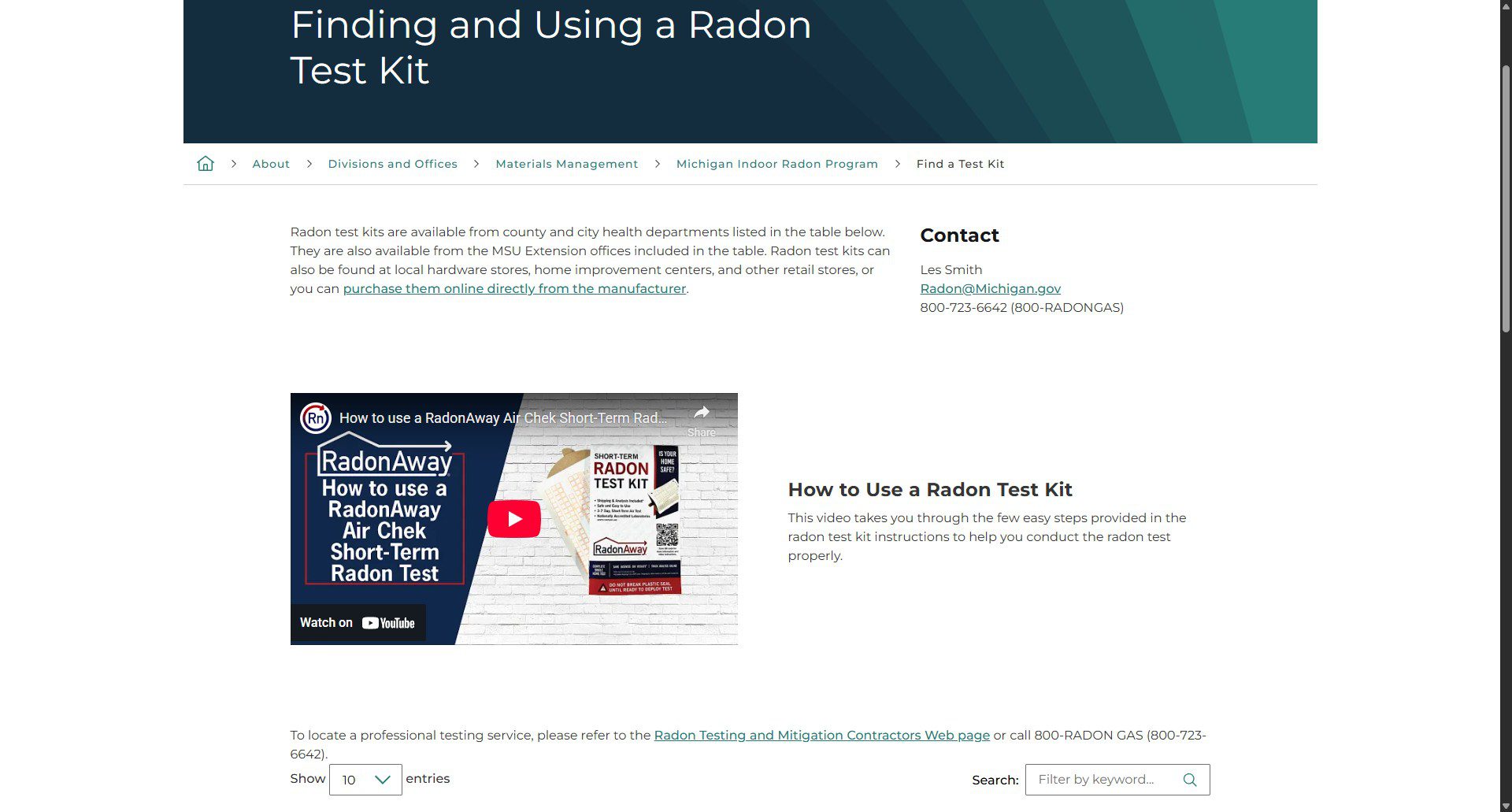
Have you tested for radon? If not, order a test kit immediately. If you have tested:
- Test date: Results older than 2 years may not reflect current conditions.
- Test results: Note the radon level. Anything at or above 4.0 pCi/L requires mitigation before finishing.
- Existing mitigation system: If a radon system is already installed, verify it’s functioning – check that the inline fan is running.
Structural and Code Considerations
Michigan building codes have specific requirements for finished basements:
- Ceiling height: Measure floor to ceiling height in multiple locations. Michigan code typically requires 7 feet minimum ceiling height for habitable space.
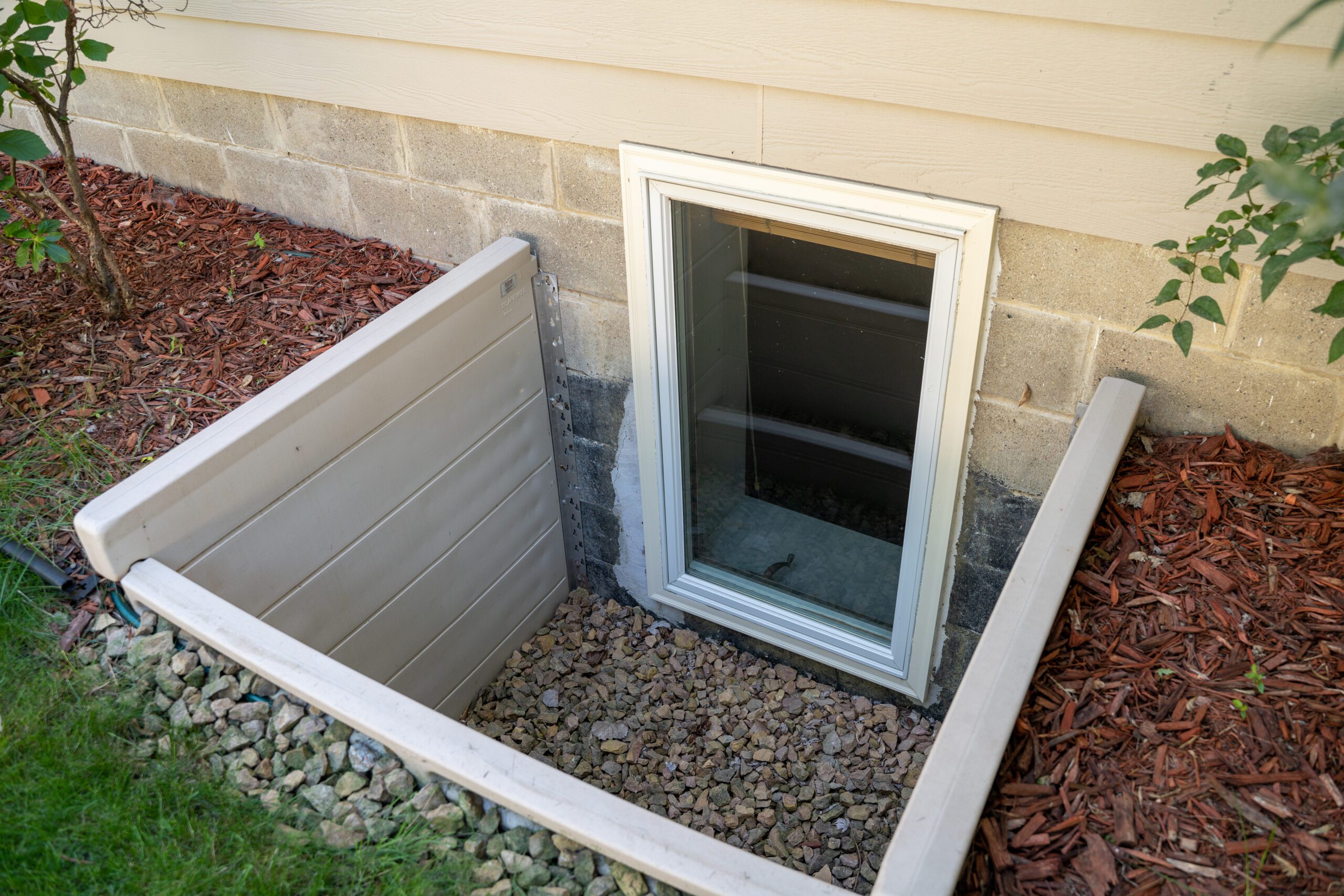
- Egress windows: If you’re adding a bedroom, Michigan code requires an egress window large enough for emergency exit (typically 5.7 square feet of opening with minimum dimensions of 24 inches high and 20 inches wide).
- Support columns and beams: Note the location of structural posts and beams. These can’t be moved and must be incorporated into your finishing design.
- Mechanicals location: Identify furnace, water heater, electrical panel, and water shutoff locations. These need permanent access.
Exterior Evaluation
Step outside and examine your home’s exterior drainage:
- Grading: Ground should slope away from the foundation at about 6 inches per 10 feet for the first 10 feet. Note any low spots where water pools near foundation walls.
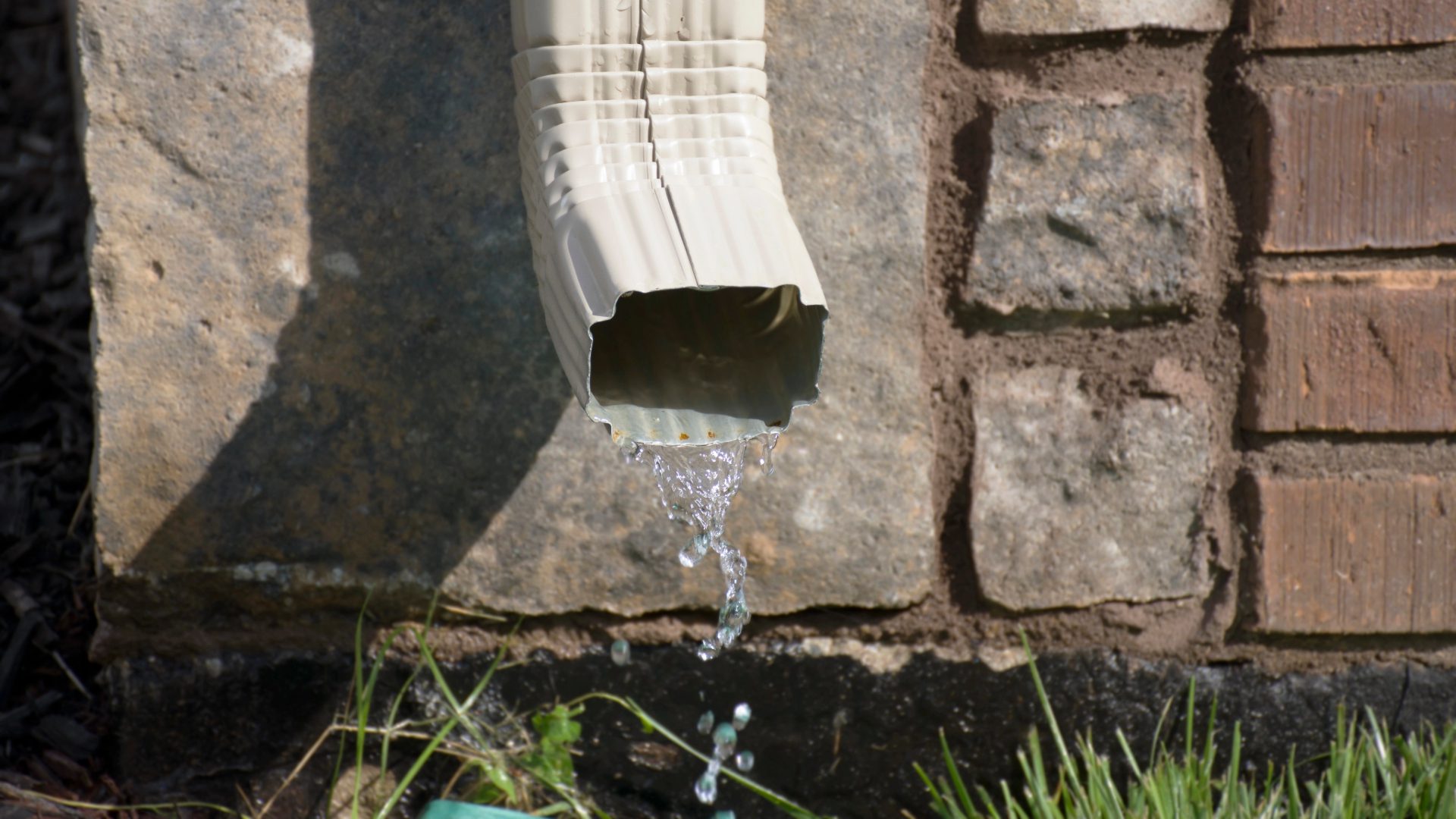
- Gutters and downspouts: Are gutters clean? Do downspouts extend at least 10 feet from the foundation, or do they dump water right next to basement walls?
- Window wells: Check basement window wells for proper drainage. They should have gravel beds and shouldn’t hold standing water.
- Foundation plantings: Shrubs or plants growing against the foundation can trap moisture and hide drainage problems.
What to Do With Your Assessment Results
Now you’ve got a comprehensive picture of your basement’s condition. Use this information to:
- Prioritize problems: Structural issues like horizontal cracks or bowing walls need addressing before any other work. Waterproofing comes next, then radon mitigation if needed, and finally finishing work.
- Get accurate estimates: Share your assessment with contractors. The more information you provide upfront, the more accurate their estimates will be.
- Plan realistic budgets: If your assessment revealed multiple issues, accept that proper basement finishing requires addressing foundation problems first – even though that increases project costs.
- Avoid costly mistakes: Finishing a basement with unresolved moisture, structural, or radon issues guarantees you’ll be tearing out that work later.
📋 Ready to Move Forward?
A thorough basement assessment takes about 30 minutes but saves thousands in avoided mistakes. You’ll know exactly what your basement needs before spending money on contractor consultations, and you’ll be able to separate contractors who understand Michigan basements from those who just want to sell you finishing work without addressing underlying problems.
At Leach Construction, we appreciate homeowners who do their homework. When you contact us about basement projects, we’ll review your assessment, identify any issues you might have missed, and create a comprehensive plan that addresses problems in the right sequence – waterproofing and radon mitigation before finishing work begins.
Ready to discuss your basement project? Contact Leach Construction for a consultation. We’ll help you turn your assessment into action with solutions designed specifically for Michigan basements.