
Walk into any hardware store in Metro Detroit, and you’ll find shelves full of basement waterproofing products marketed with promises like “guaranteed dry basement” and “permanent solution.” Most of this stuff? It’s designed for soil conditions in other parts of the country. Not Michigan.
Our state’s unique geology – heavy clay soil, high water tables in areas near the Great Lakes, and brutal freeze-thaw cycles that would make a structural engineer weep – creates basement challenges that generic waterproofing approaches simply don’t address.
If you’re planning to finish your basement, waterproofing isn’t just recommended. It’s absolutely essential. Let’s talk about why Michigan basements need Michigan-specific solutions.
What Makes Michigan Basements Different?
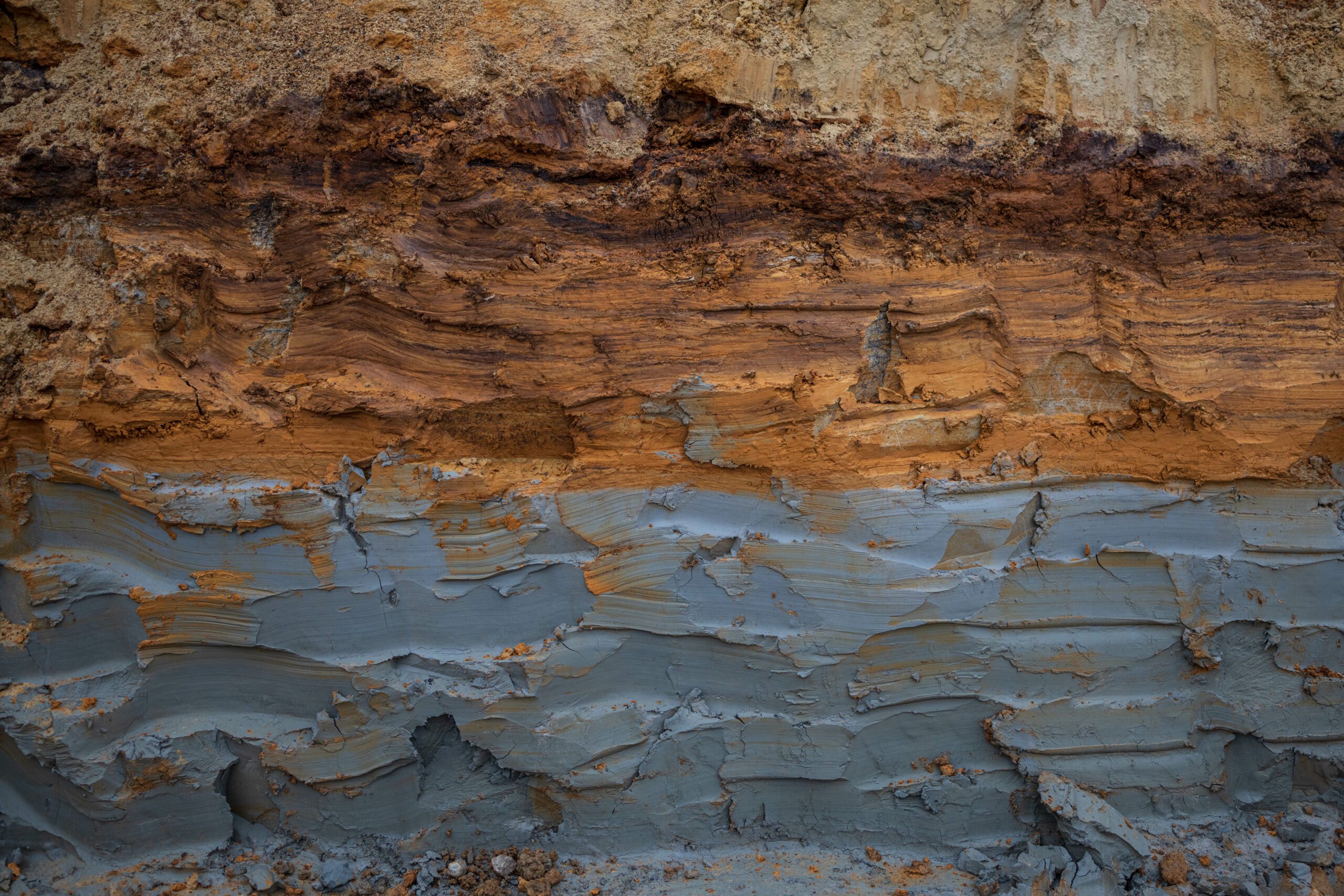
Michigan’s basement waterproofing challenges start about six feet below your lawn. Our soil composition, particularly in Wayne, Oakland, and Macomb counties, is predominantly clay – sometimes several feet thick.
The Clay Soil Problem
Clay soil sounds stable and strong, which seems like it would be good for foundations. The reality is more complicated. Clay has an extremely high water-holding capacity compared to sandy or loamy soils. When clay gets wet, it acts like a sponge, retaining moisture far longer than other soil types.
This creates what engineers call “hydrostatic pressure” – water-saturated soil pressing against your foundation walls, looking for any crack, gap, or weak point to push through. Where sandy soil might drain within hours after a rainstorm, Michigan’s clay soil can remain saturated for days or even weeks.
During spring when we get heavy rains combined with snowmelt, that pressure becomes intense. Foundation walls aren’t designed to hold back lakes – they’re designed to support your house. When several feet of water-saturated clay press against those walls continuously, something has to give. Usually, it’s that hairline crack that becomes a seeping wet spot on your basement wall.
Great Lakes Proximity and Water Tables
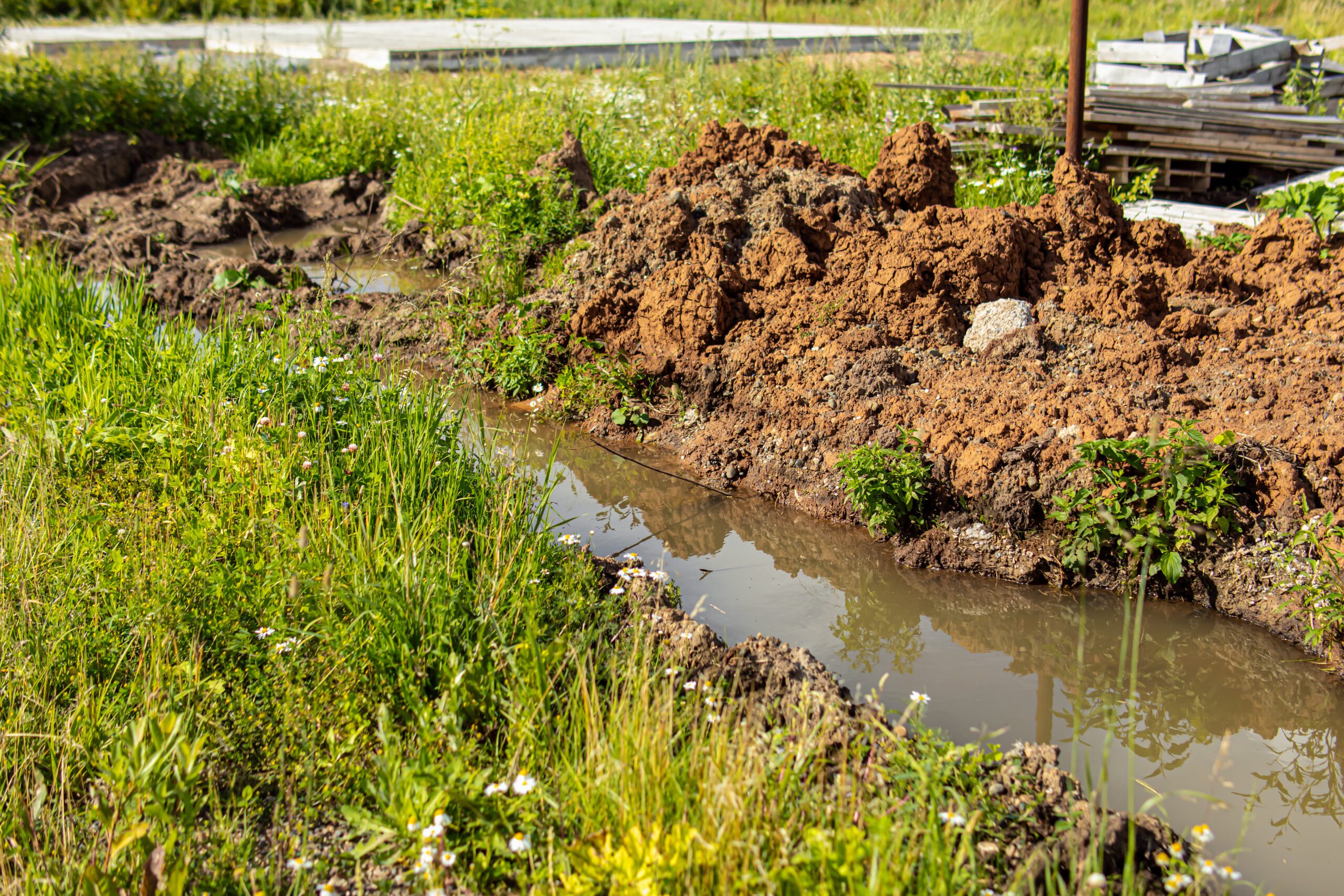
If you live in communities near Lake St. Clair, Lake Erie, or any of the Great Lakes, your basement faces an additional challenge: high water tables. The water table is the underground level where soil becomes fully saturated with groundwater.
In St. Clair Shores, Grosse Pointe, and other waterfront communities, the water table can sit remarkably close to the surface. During heavy rain events or spring flooding, it rises even higher. This means your basement isn’t just fighting water from above (rain and snowmelt) – it’s also dealing with water pressure from below.
Communities along the Clinton River, Rouge River, and their tributaries face similar issues. When rivers overflow or storm sewers back up, basements become the path of least resistance for water trying to find somewhere to go.
Freeze-Thaw Cycles
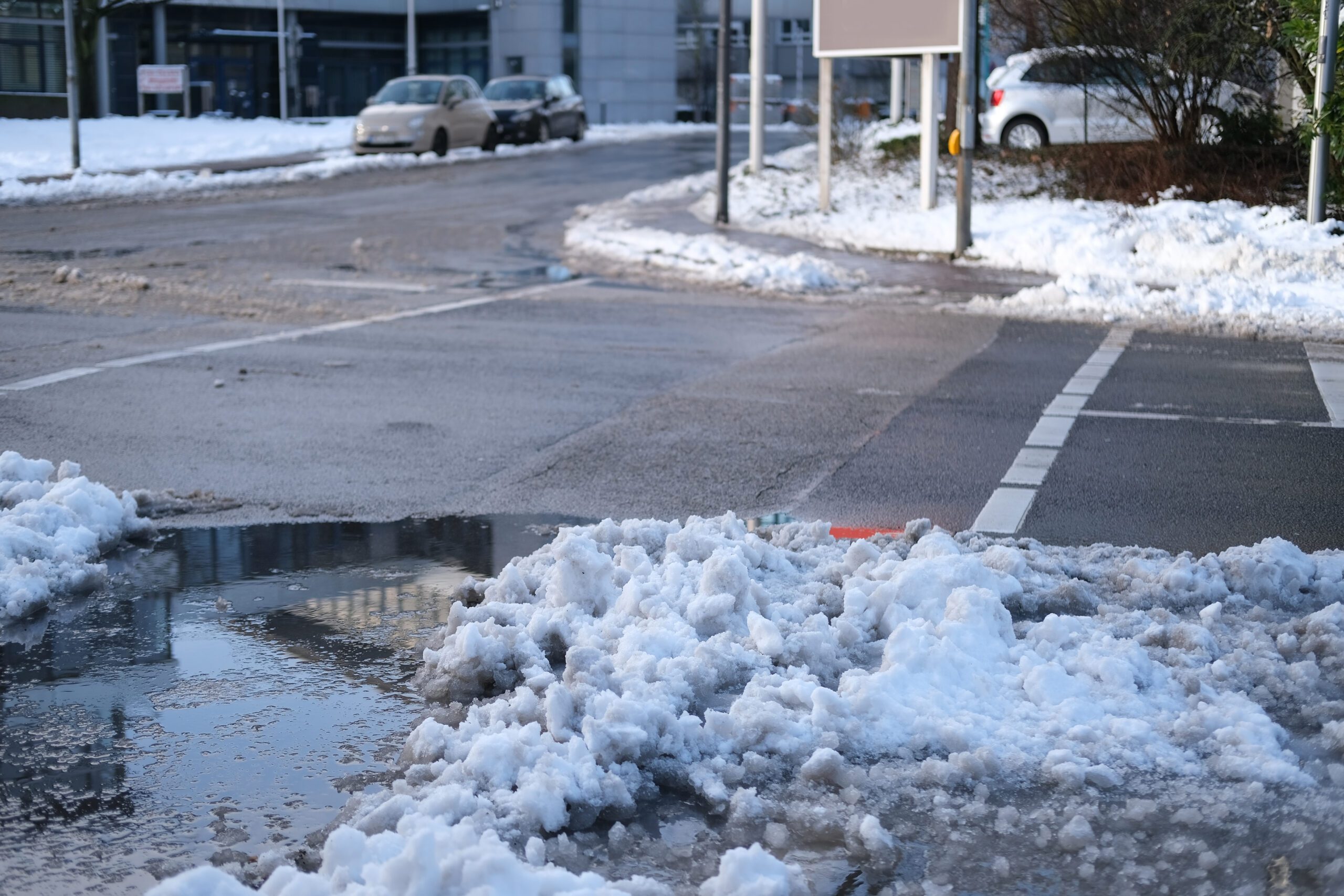
Michigan winters create their own waterproofing challenges. When water in soil freezes, it expands. This expansion creates pressure that can widen foundation cracks, shift foundation walls, and create new penetration points for water.
Then spring arrives, temperatures rise, and all that frozen water melts – often faster than the ground can absorb it. Saturated soil presses against foundation walls weakened by winter’s freeze-thaw cycles, and suddenly you’ve got water in your basement that wasn’t there last fall.
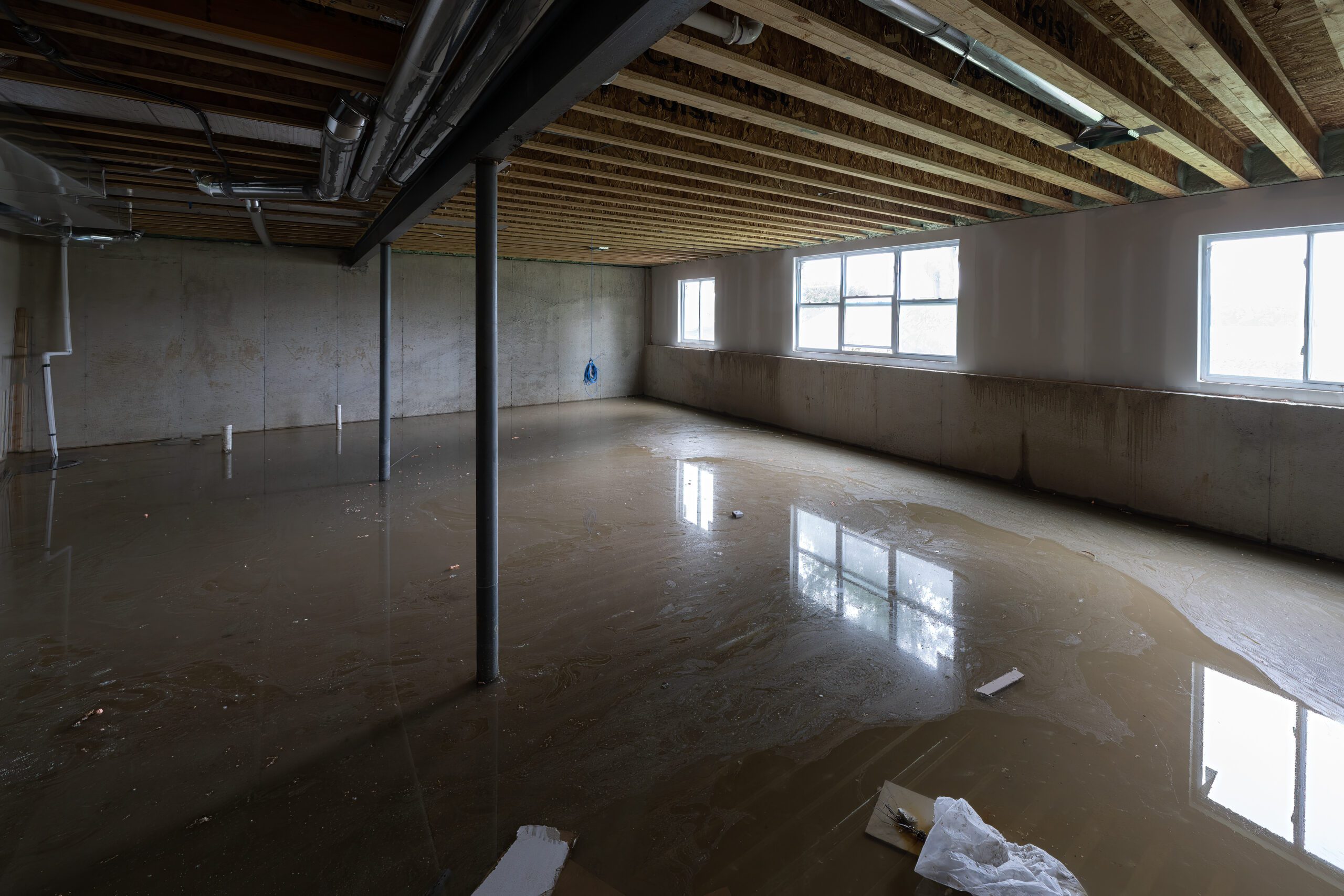
Common Michigan Basement Water Problems
Not all basement water problems look the same. Identifying your specific issue is the first step toward effective waterproofing.
Surface Water Intrusion
This is the “easy” one, relatively speaking. Surface water problems occur when rain or snowmelt flows toward your foundation instead of away from it. Signs include:
- Water appearing during or immediately after rainstorms
- Dampness primarily along the floor-wall joint
- Water pooling near foundation walls outside
- Basement windows that leak during heavy rain
Surface water issues often stem from grading problems (ground slopes toward the house instead of away), clogged gutters that overflow near the foundation, or downspouts that dump water right next to your basement walls.
Hydrostatic Pressure Issues
This is where Michigan’s clay soil really shows its personality. Hydrostatic pressure problems are more serious than surface water issues and include:
- Water seeping through foundation walls at any height
- Horizontal cracks in foundation walls (extremely concerning)
- Basement walls that appear to bow or bulge inward
- Water that appears days after rainfall has stopped
- Moisture appearing in multiple locations around the basement perimeter
These problems require professional intervention. The pressure creating them won’t go away on its own, and temporary patches won’t hold when thousands of pounds of wet clay are pressing against your foundation.
High Water Table Flooding
This is the “my basement floods every spring” scenario. High water table flooding shows up as:
- Water coming up through floor cracks
- Sump pump running constantly during wet periods
- Widespread basement flooding rather than localized seepage
- Water appearing even when there’s been no recent rainfall
Communities near the Great Lakes or major rivers see this frequently. The water table rises seasonally or during storm events, and basements literally sit below the water level.
Foundation Cracks
Michigan’s soil movement creates foundation cracks that other regions don’t experience as severely. Look for:
- Vertical cracks (often less serious, caused by settling)
- Horizontal cracks (very serious, indicating wall failure risk)
- Stair-step cracks in block foundations
- Cracks that widen over time
- Cracks that actively leak water
Michigan-Specific Waterproofing Solutions
Generic waterproofing advice often focuses on exterior waterproofing – excavating around your foundation and applying waterproof coatings. That’s expensive ($15,000-$30,000+), disruptive (goodbye, landscaping), and in Michigan’s conditions, it’s only part of the solution.
Interior Drainage Systems
The most effective approach for Michigan basements is interior drainage, specifically a perimeter drain system. Here’s how it works:
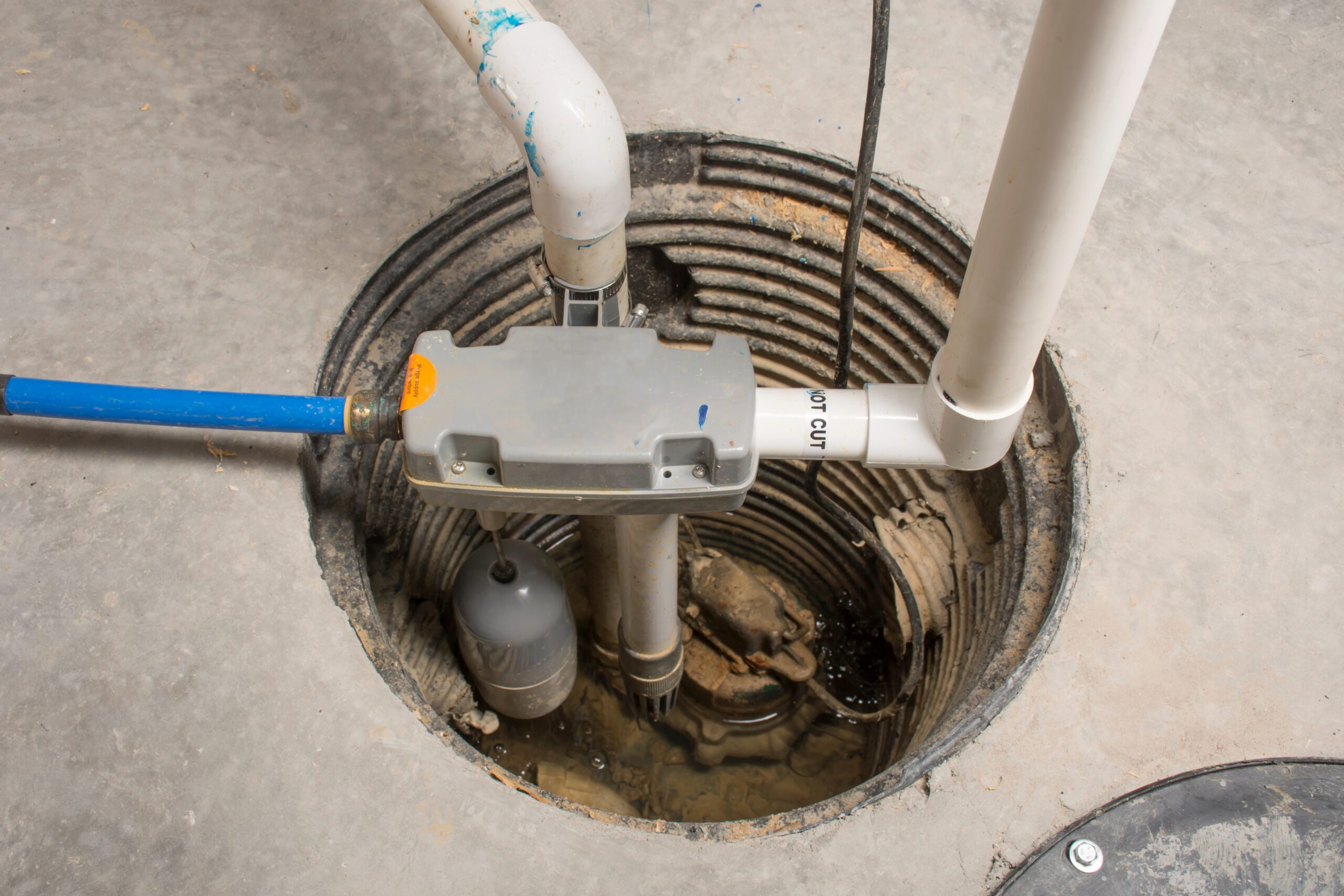
A contractor creates a channel around the inside perimeter of your basement floor, right where the floor meets the walls. This channel collects water that seeps through foundation walls or comes up through the floor-wall joint. The water flows through the channel to a sump pump basin, which then pumps it outside away from your foundation.
This system works with Michigan’s challenges rather than against them. Instead of trying to keep water from ever touching your foundation (nearly impossible with our soil conditions), it manages the water that does penetrate, directing it safely away before it can damage your basement.
Sump Pump Selection for Michigan
Not all sump pumps are created equal. Michigan basements need pumps that can handle high water volume during spring flooding and power outages during summer storms.
Key features for Michigan installations:
- Adequate horsepower: A 1/3 HP pump works for light duty, but many Michigan basements need 1/2 HP or larger to handle peak water volume.
- Battery backup: Spring storms knock out power right when your sump pump needs to work hardest. Battery backup systems keep pumping even when the grid goes down.
- Freeze protection: Discharge lines need to be buried below frost depth (about 42 inches in Michigan) to prevent winter freeze-ups that back water into your basement.
- Check valves: These prevent pumped water from flowing backward into the basin when the pump shuts off.
Vapor Barriers and Encapsulation
Even after addressing water intrusion, Michigan basements face humidity challenges. Our climate’s temperature swings create condensation issues that can make finished basements feel damp and encourage mold growth.
Vapor barriers installed on foundation walls before finishing prevent moisture transmission through concrete. In crawl spaces, full encapsulation (covering walls and floor with heavy-duty vapor barriers) creates a controlled environment that stays dry regardless of outdoor conditions.
Foundation Crack Repair
Michigan’s freeze-thaw cycles mean foundation cracks are nearly inevitable in older homes. The repair approach depends on the crack type:
- Vertical settling cracks: These can often be repaired with epoxy or polyurethane injection, filling the crack and preventing water penetration.
- Horizontal or stair-step cracks: These indicate structural issues requiring professional foundation repair, possibly including wall reinforcement or replacement.
- Active vs. dormant cracks: Cracks that continue widening need structural solutions, not just waterproofing patches.
Exterior Solutions That Matter in Michigan
While interior drainage is often the primary solution, some exterior work dramatically improves basement waterproofing effectiveness.
Grading and Drainage
Ground around your foundation should slope away at about 6 inches per 10 feet. Many Michigan homes, particularly older ones, have settled over time, creating low spots that collect water next to the foundation.
Regrading is relatively inexpensive compared to other waterproofing work and solves surface water problems before they become interior water problems.
Gutter and Downspout Systems
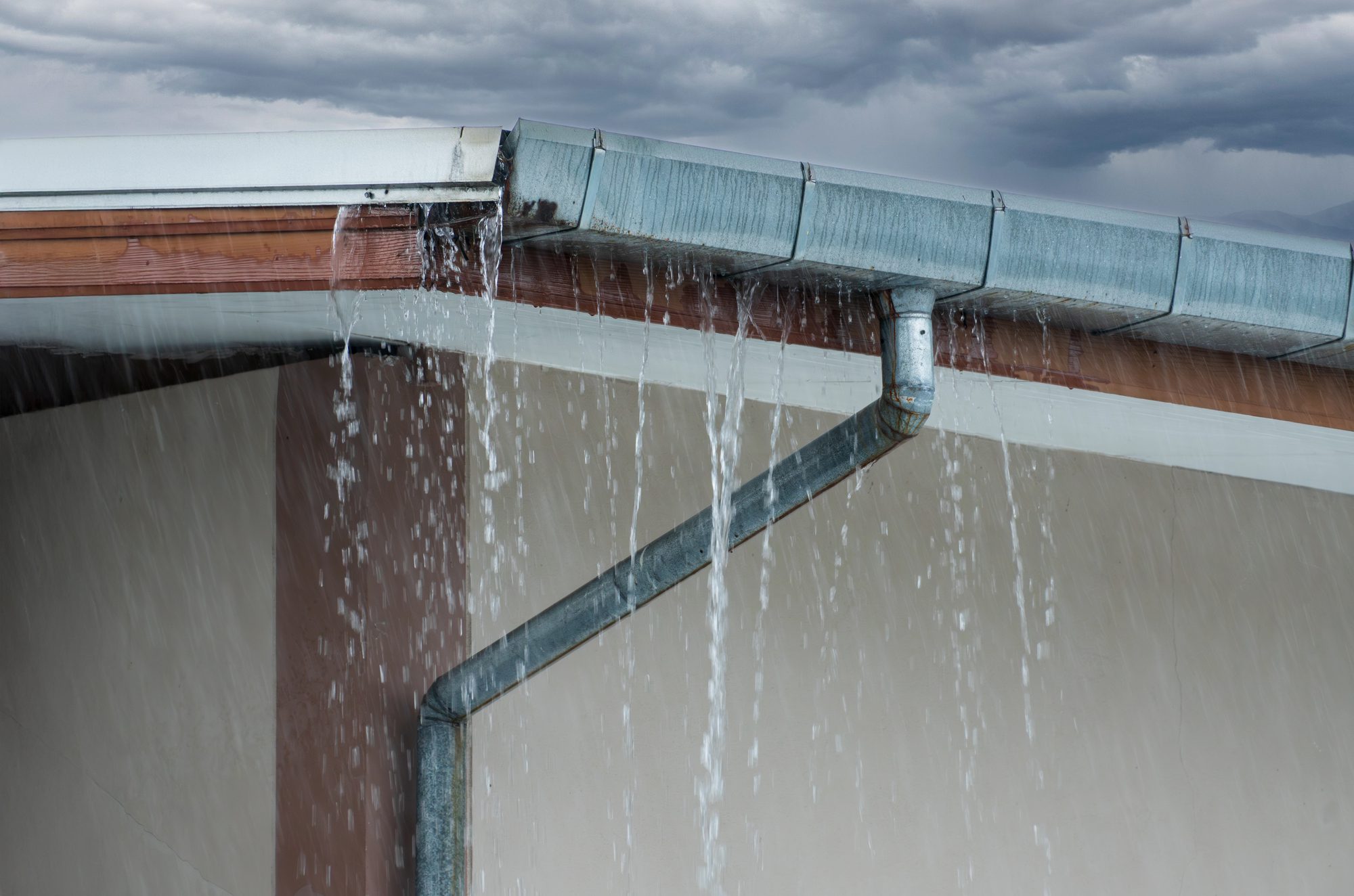
Your roof sheds massive amounts of water during Michigan storms. A 1,500 square foot roof generates about 935 gallons of water during a one-inch rainfall. If that water dumps next to your foundation, you’re creating your own basement flooding problem.
Gutters should be clean and properly sloped. Downspouts need extensions that carry water at least 10-20 feet away from the foundation. In yards with poor drainage, consider buried downspout lines that carry water to the street or a low spot away from the house.
The “Michigan Basement” Challenge
Older Michigan homes, particularly those built in Detroit and inner-ring suburbs before the 1940s, often have what contractors call “Michigan basements” – partially finished or dirt-floor basements with stone foundations rather than poured concrete.
These basements present unique waterproofing challenges:
- Stone foundations have numerous gaps where mortar has deteriorated
- Dirt floors provide direct water pathways into the basement
- Low ceiling heights limit finishing options
- Limited access points make drainage installation more complex
Waterproofing a Michigan basement often requires a complete interior drainage system, possible foundation wall stabilization, and careful moisture management strategies that work with the existing structure rather than attempting modern weatherproofing standards these old foundations were never designed to meet.
When to Waterproof: Timing Your Project
The best time to waterproof your Michigan basement is before water problems become severe. Warning signs include:
-
- Musty odors in the basement
- Efflorescence (white, powdery deposits) on foundation walls
- Rust stains on metal components
- Peeling paint or wallpaper in finished areas
- Visible dampness after rainstorms
- Increased humidity levels
- Mold or mildew growth
If you’re planning basement finishing, waterproofing comes first – not as an afterthought. Finishing an improperly waterproofed basement guarantees you’ll be tearing out that work later when water problems worsen.
Seasonal timing: Interior waterproofing work can happen year-round in Michigan, but spring and fall are often ideal. Spring lets you observe how your basement handles seasonal water tables and heavy rains. Fall installation gives systems time to prove themselves before winter freeze-thaw cycles begin.
🛠️ Protecting Your Investment
Michigan basements require Michigan solutions. Our clay soil, high water tables, and freeze-thaw cycles create challenges that cookie-cutter waterproofing approaches don’t address.
The good news? Properly waterproofed Michigan basements stay dry through spring floods, summer storms, and winter thaws. You can finish that space, move your family into it, and trust that the investment you’re making won’t end up ruined by water damage three years down the road.
At Leach Construction, we’ve built our reputation on understanding Southeast Michigan’s unique conditions. Our team knows the difference between surface water problems that need grading solutions and hydrostatic pressure issues requiring interior drainage. We know which sump pumps hold up to our climate and which foundation crack repairs actually last through Michigan winters.
Before you invest thousands in basement finishing, make sure your foundation is properly waterproofed for Michigan conditions. Contact Leach Construction to discuss your basement project – we’ll help you create a dry, comfortable space that adds real value to your home.